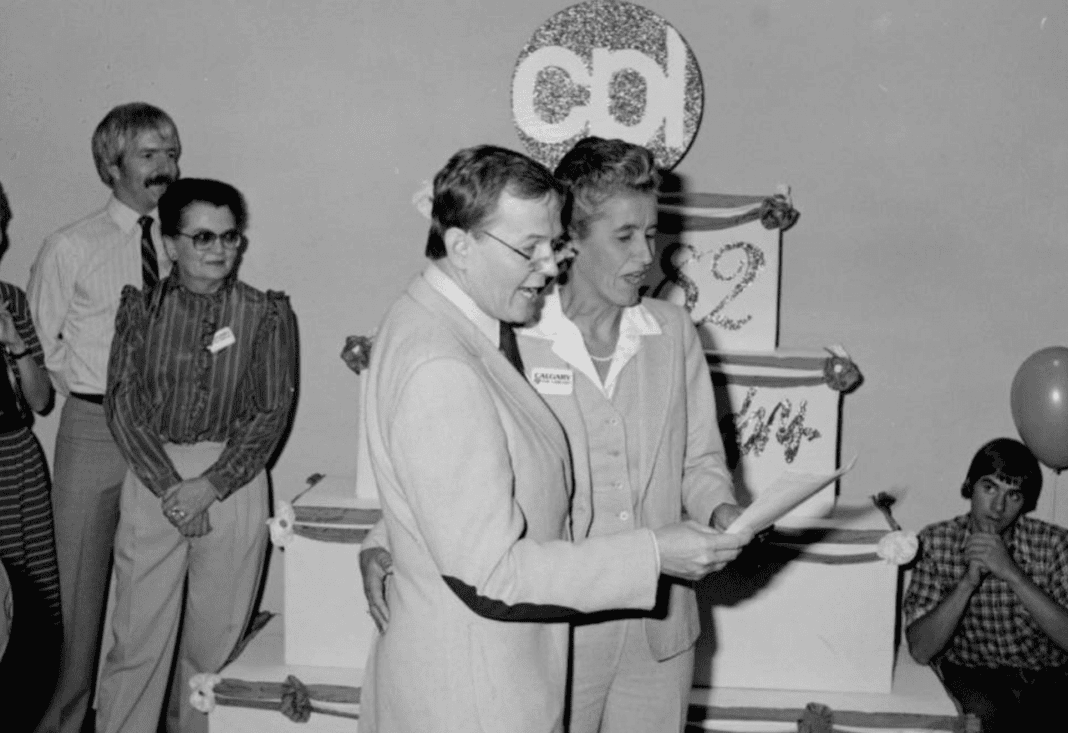

In 1916, women in Alberta gained the right to vote and to run for public office. Despite this progress, women candidates for Calgary City Council were often dismissed as homemakers rather than seen as thought leaders or influential figures. Once elected, these women had to not only improve the city’s quality of life but also break stereotypes about their gender. Below on calgaryes is a list of the most notable women in Calgary’s City Council history from 1917 to 1977.
Annie Gale
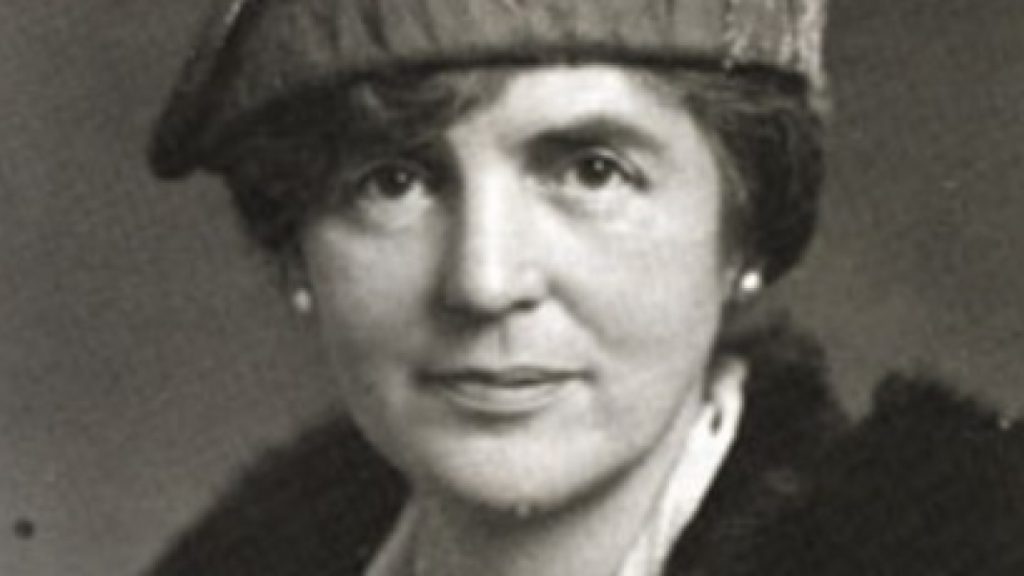
Annie Gale was the first woman to serve on Calgary City Council. Born on December 29, 1876, in Worcestershire, England, she moved to Calgary in 1912 with her husband and two sons.
Her activism began when she noticed Calgary merchants signing contracts exclusively with British Columbia farmers, unfairly ignoring Alberta producers. Gale joined the Women’s Consumer League and, in 1914, founded the Vacant Lots Garden Club to increase vegetable and fruit production during the war and demonstrate Alberta’s agricultural capabilities. In 1916, she organized Canada’s first women-led taxpayers’ association.
On December 10, 1917, Annie Gale made history as Canada’s first female alderman. She supported public markets, fought for equal employment opportunities for women, and opposed child labour, despite facing opposition from colleagues. Gale also sought to reform Calgary’s prison system and healthcare, advocating for state-funded hospitals.
Gale left her position due to threats and blackmail from opponents of her initiatives. In 1924, she was elected to Calgary’s School Board, where she reinstated policies ensuring that the board would fund children’s eye and nose surgeries. She permanently relocated to Vancouver in May 1925.
Barbara Ann Scott
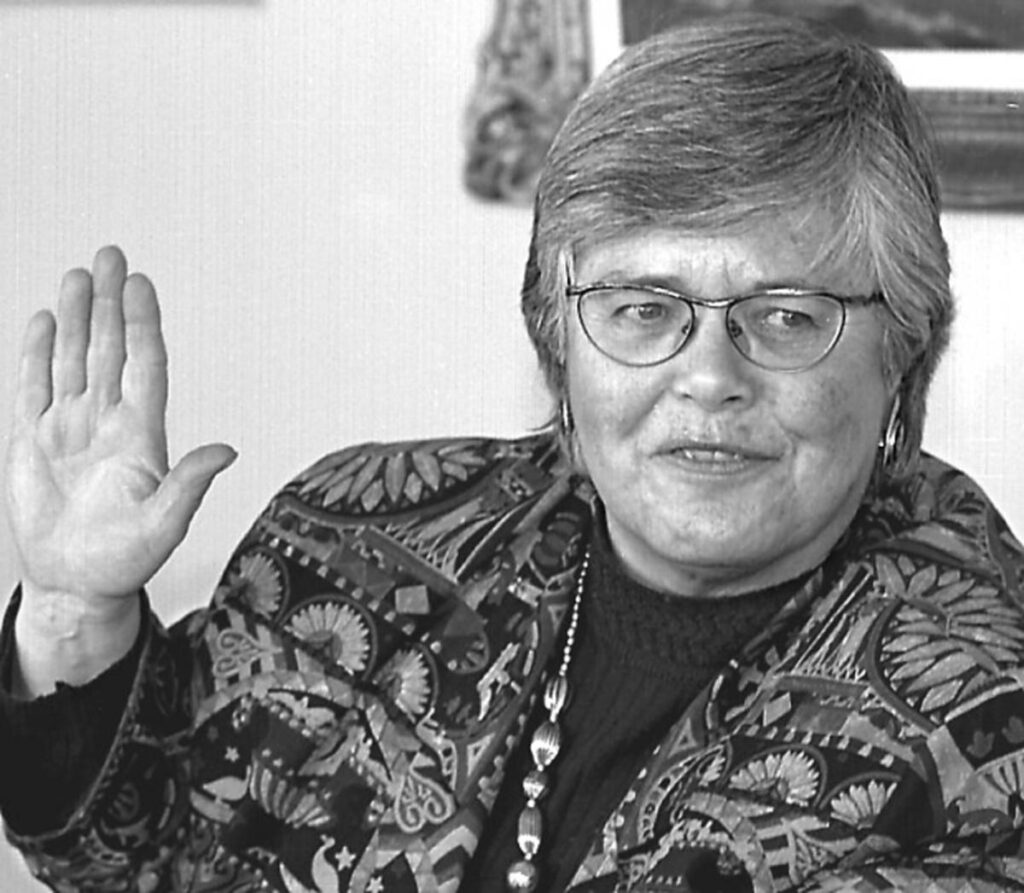
In the 1970s, council terms were extended to three years, and a single transferable vote system was introduced. In 1971, Barbara Ann Scott became the only woman elected to Calgary City Council.
Having worked in Toronto and Edmonton, Scott moved to Calgary in 1965 to accept a position as research director at the Calgary Social Planning Council, as well as to live closer to the Rocky Mountains, where she often skied. Even at 60, she took formal ski lessons.
In 1971, Scott’s complaints about the Alberta Association of Social Workers gained media attention, establishing her as a community activist. She began her role as an alderman in October 1971, retiring in 1995 after setting a record as Calgary’s longest-serving public official.
Scott championed the rights of vulnerable groups, including seniors, children, and the homeless. She played a significant role in creating safe houses for at-risk youth and a dental clinic for the homeless. She also pushed for curb cuts on sidewalks to aid those with mobility challenges.
Scott was one of the few full-time aldermen of her era, dedicated to improving society. She supported local artists by purchasing their works for public display, promoting their talent. After retirement, she remained active in various volunteer organizations. In 1997, she received the Order of Canada, the nation’s highest civilian honour.
Virnetta Anderson
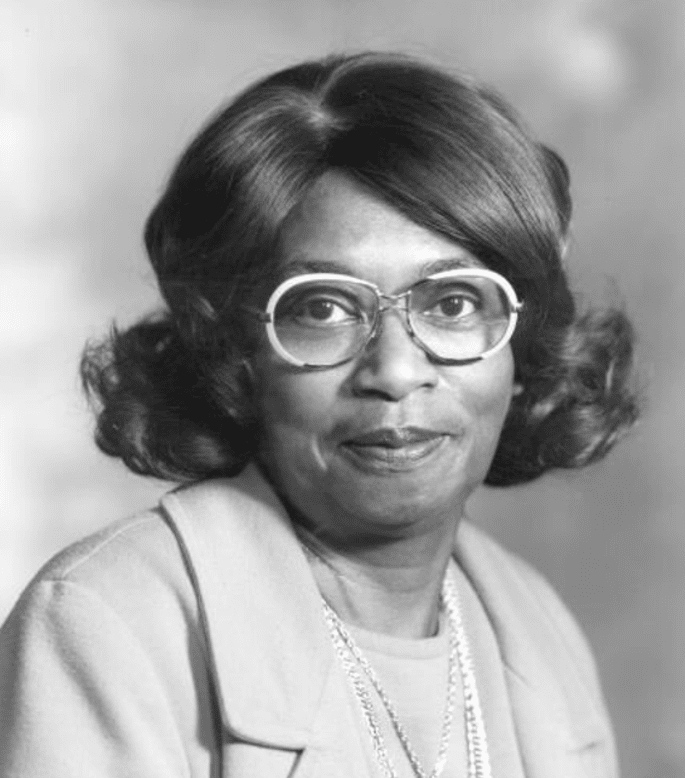
In 1974, the single transferable vote system was abolished, and four women secured seats on the council. Virnetta Anderson became Calgary’s first Black council member.
Born in Monticello, U.S., Anderson moved to Calgary as an adult with her husband, Ezra Anderson, who played for the Calgary Stampeders football team in the late 1940s. Former teammate Herm Harrison managed Anderson’s first political campaign.
Anderson’s popularity declined by the 1977 election, as she was accused of rarely attending council meetings. After losing her seat, she helped establish the Calgary Centre for Performing Arts alongside other activists. She also pursued a career in real estate, working with various organizations. Anderson remained active in Calgary’s community until her death.
Naomi Weiland
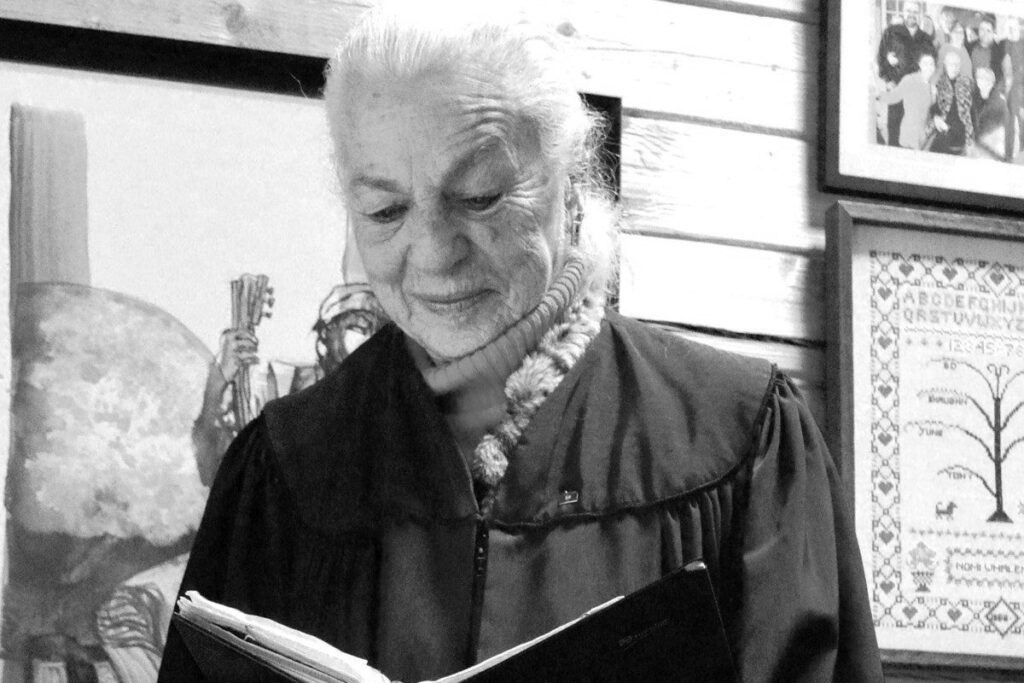
The 1977 municipal election introduced significant changes, including a new ward system with eight districts. Naomi Weiland was one of the new aldermen elected.
Originally from Victoria, Weiland moved to Calgary after graduating from university and began teaching at Bennett School. In 1973, she was appointed to Alberta’s first Human Rights Commission. Four years later, she was elected to City Council, serving only one term due to conflicts with other members, primarily over her strong anti-smoking stance.
After her term, Weiland led Alberta Family Mediation Services and officiated numerous informal same-sex ceremonies as a provincial marriage commissioner before same-sex marriage was legalized in Alberta.
Ann Blow
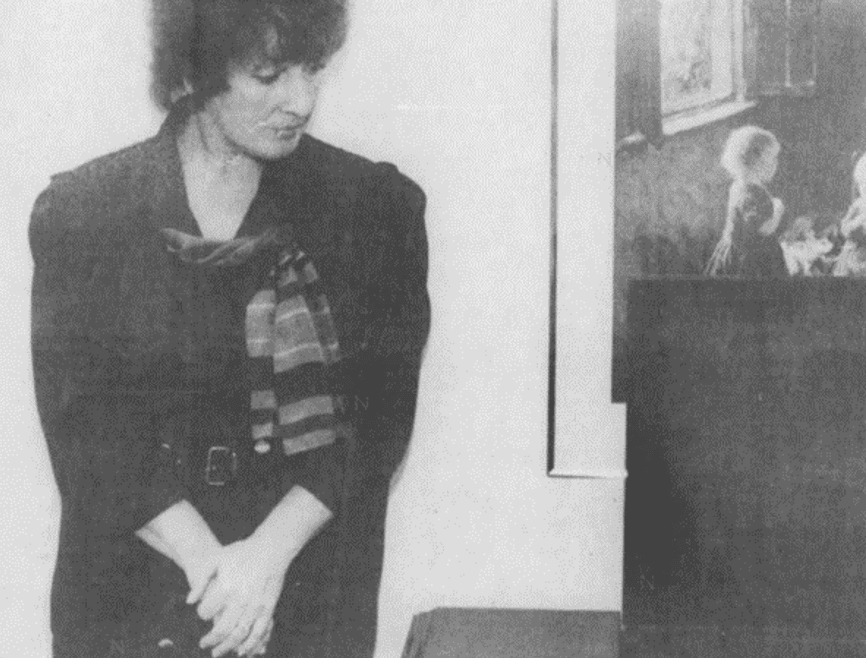
Ann Blow was born in Chicago but moved to Calgary (date unknown). She was elected alongside Naomi Weiland in 1977. During her first term, Blow served on the Heritage Park Society, the Zoological Society, and the School Board Liaison Committee.
Blow returned to the council in 1986, defeating Fred Kruger and Brian Lightburn. At just 33 years old, she became Calgary’s youngest female councillor. An outraged Kruger complained that there were “too many housewives” on the council.
Sue Higgins
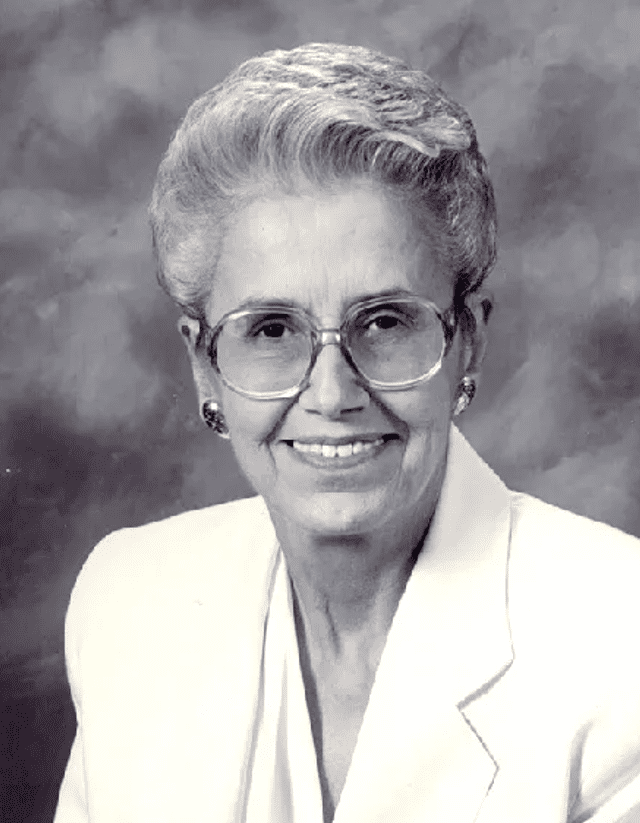
Another woman who won in the 1977 election was Sue Higgins. Her organizational skills, honed through years of volunteer work and leadership in the United Way Housing Fund, helped her secure the position.
Higgins was the first to raise the issue of changing the title “alderman” to a gender-neutral term such as “councillor.” Known for her sharp tongue and willingness to challenge colleagues, Higgins often made headlines.
A smoker herself, Higgins defended smokers’ rights and advocated for allowing smoking during late council meetings in 1978, a proposal opposed by fellow councillor Pat Ryan. In 2000, she controversially claimed that second-hand smoke outdoors was less harmful than vehicle emissions. Higgins also opposed budget increases and pay raises for aldermen. She served multiple terms until her retirement in 2001.