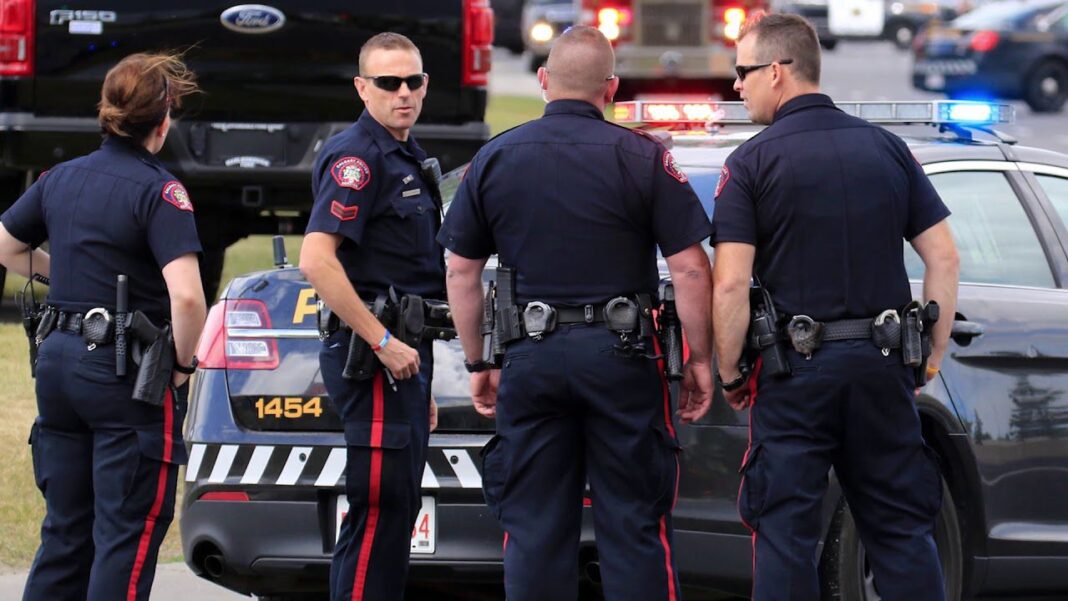

The Calgary Police Service was established in 1885, evolving from a small group of officers into a large, cohesive organization that serves as a reliable support system for Calgarians. Over the years, the department has undergone numerous transformations to balance the need for both political independence and accountability to the city, in line with democratic principles. Read more on calgaryes.
The First Chief and His Responsibilities
The first Chief of Police was John S. Ingraham, who previously held the same position in Winnipeg. His monthly salary was $60, and his duties included enforcing laws, arresting those disturbing public order, curbing speeding drivers, and responding to fires. Additionally, the Chief served as the city’s food and building inspector and managed the local livestock pen.
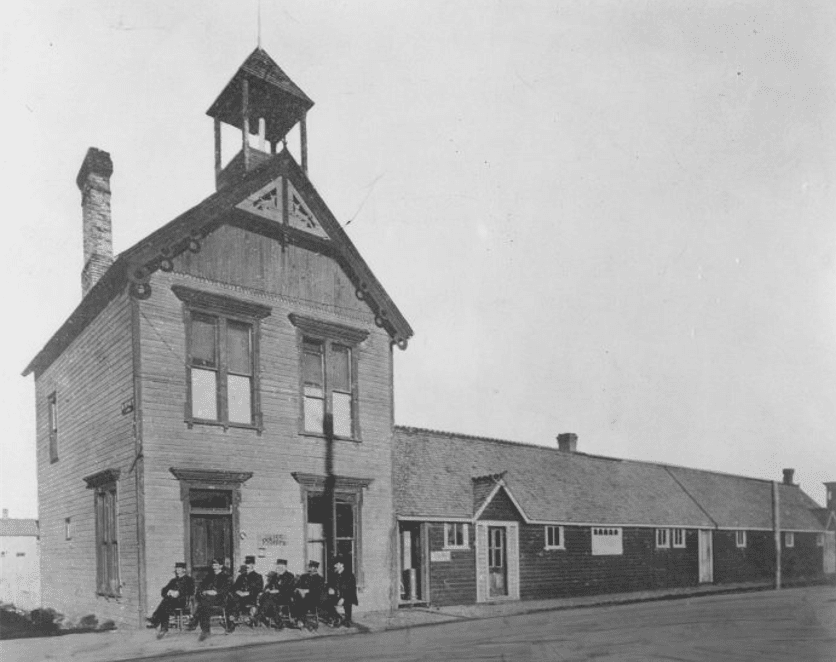
The First Police Building, Expansion, and Early Incidents
In 1905, there were only five police officers for Calgary’s population of 14,000. In 1906, the Detective Division was formed to combat prostitution and gambling. By 1910, the population had grown to 40,000, and the police force expanded to 36 officers, with the addition of a mounted unit of four horses the following year.
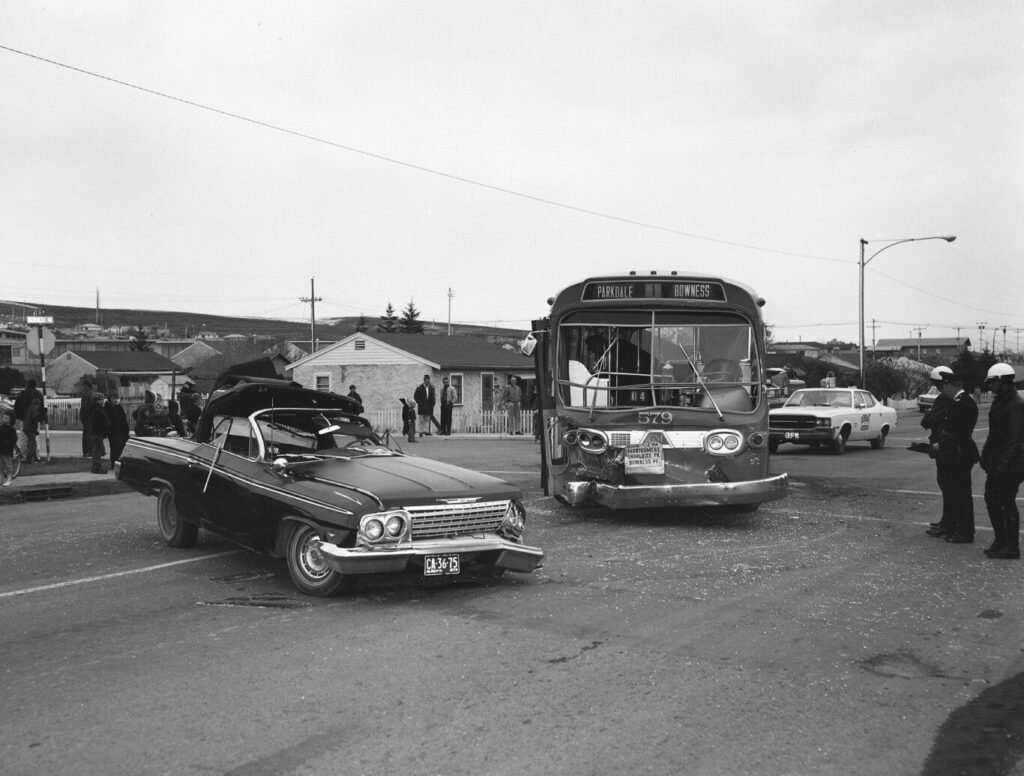
In September 1912, Calgary police conducted their first undercover operation, uncovering a doctor illegally prescribing cocaine. In October of the same year, the city experienced its first major traffic accident when a car struck a horse, resulting in fatalities among passengers and injuries to the horse.
In 1913, the Identification Bureau was established, photographing convicted individuals and collecting their fingerprints for a database. A year later, a headquarters was built on 7th Avenue S.E.
In 1917, Constable Arthur Duncan was killed in the line of duty, prompting the police to arm officers with revolvers. In 1921, the department acquired its first Harley-Davidson motorcycle. By the 1930s, police cars were equipped with two-way radios, a traffic training division and crime lab were established in 1937, and a school safety patrol and traffic division were introduced in 1938 and 1941, respectively.
The first full-time female police officer, Vera Russell, was hired during World War II on a temporary basis. In 1952, the Juvenile Division and Homicide Division were formed.
The Creation of the Police Commission
Until 1908, the city council directly managed law enforcement, hiring, firing, and setting individual officer salaries, with the mayor serving as a magistrate overseeing court cases. After 1908, Calgary began considering police independence.
While other North American cities adopted police commission models, Calgary’s city council resisted due to a lack of successful examples in other Canadian cities. As a compromise, police oversight was transferred to city administration.
Local media supported the absence of a commission until the police chief’s resignation in 1912 highlighted the need for professional, less politicized police oversight. The Calgary Herald editorial board advocated for a better governance model.
Despite revisiting the commission idea in 1913 and again after Edmonton created one in 1915, Calgary took no action. Even Alberta’s establishment of a provincial police commission in 1917 failed to sway the city.
Finally, in 1933, Calgary created its police commission, comprising the mayor, the senior district court judge, and the senior police magistrate. The commission modernized police leadership, updated stop signs, revoked a taxi driver’s license, recommended closing cigarette shops, and addressed school holiday scheduling.
In 1955, the council added two aldermen to the commission, and in 1971, Alberta’s first Police Act standardized commissions to include three provincial appointees and two city appointees. Later amendments replaced provincial appointees with Calgary citizens, expanding the commission to 12 members.
Over time, responsibilities like licensing and traffic control shifted to city administration, while misconduct investigations became the purview of specialized bodies.
Technological Advances and Further Development
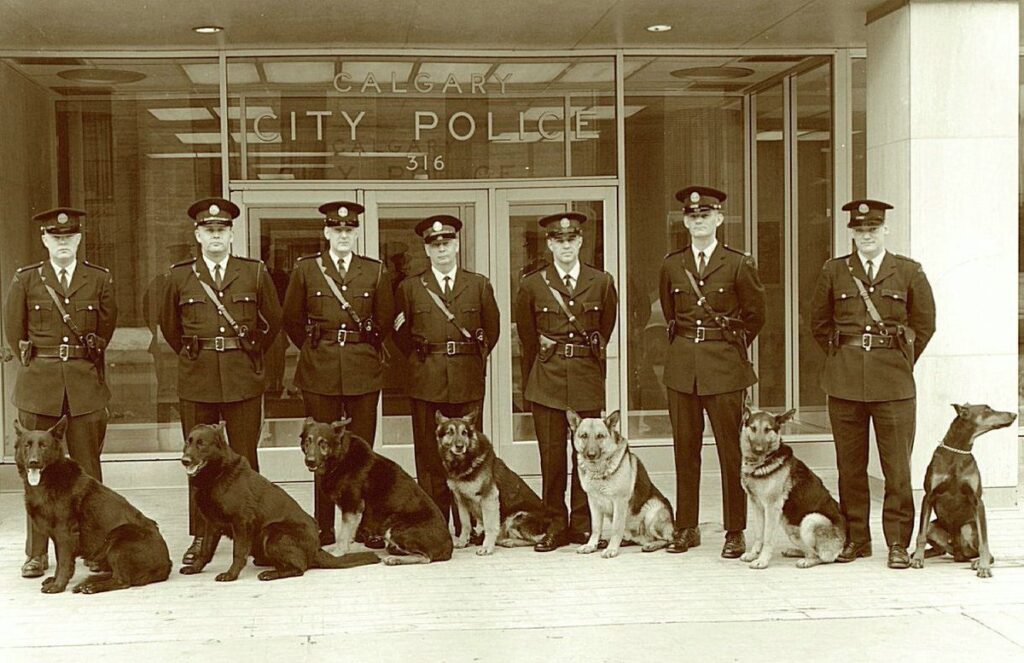
In 1958, the Calgary police used motion picture recordings for surveillance. Two years later, a canine unit was introduced with four dogs—two German Shepherds and two Dobermans.

By 1963, officers employed dermometers (similar to polygraphs) in serious cases. In 1968, a narcotics unit was established, and breathalyzers were introduced. Police were later equipped with personal radios.
In 1973, the Calgary Police Department became the Calgary Police Service. A crime prevention unit and fire investigation division were formed. By 1975, police vehicles were outfitted with light bars, case files were digitized, and officers received 200 bulletproof vests.
In 1978, the service hired its first minority liaison officer and created a victim services unit. By 1982, the child abuse unit, crime prevention unit, citizen complaint review committee, and multicultural relations unit were established.
In 1989, officers were issued Kevlar vests, and the department acquired its first helicopter. Calgary’s roads featured upgraded photo radar capable of capturing digital images. The early 2000s saw the introduction of North America’s first portable red-light camera system, installed at high-risk intersections.
Christine Silverberg: First Female Police Chief
Christine Silverberg, the first female Chief of Police in Calgary, earned a master’s degree in criminology from the University of Toronto. Appointed in 1995, she served for five years, breaking barriers and setting a new precedent for leadership in the Calgary Police Service.