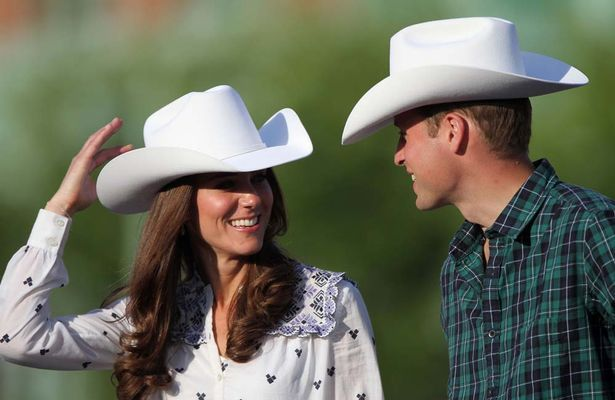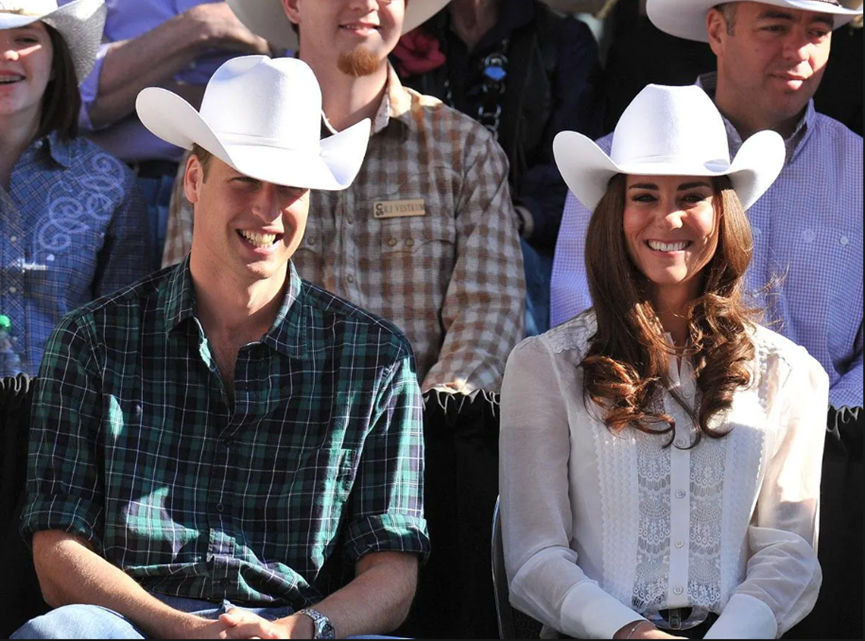

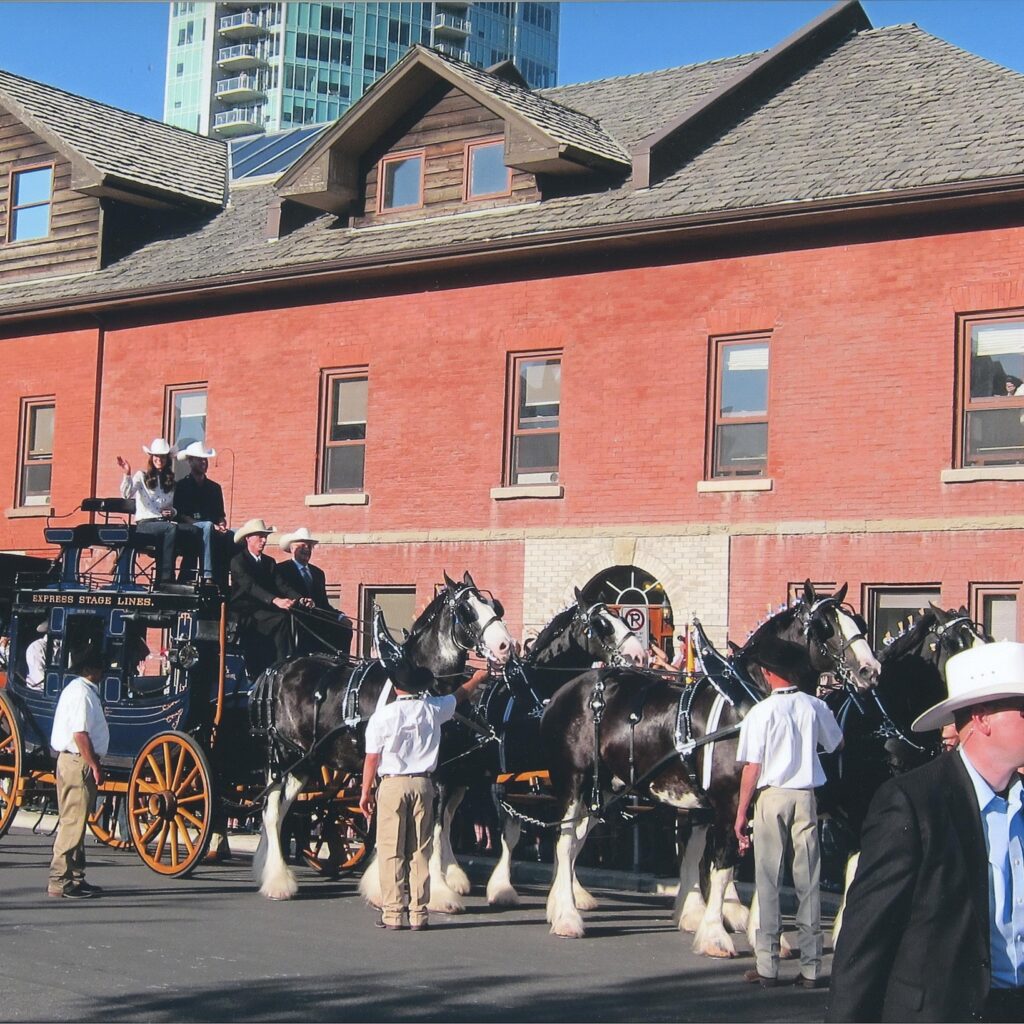
Could Calgary residents at the legendary 2011 Calgary Stampede have ever imagined they’d see the Duke and Duchess of Cambridge? Likely not. This event has long been etched in the city’s memory and captured in photographs. It was their first official overseas tour as a married couple. It was in Calgary where they showed that royal etiquette is entirely compatible with the spirit of the Wild West. Calgaryes tells more about this event.
A Monarchy Closer to the People
The participation of Prince William and Kate Middleton in the opening of the Calgary Stampede carried a deep political subtext. Shunning official protocol in favour of traditional Western Canadian attire was perceived as a gesture of high respect for regional identity.
On one hand, by wearing cowboy hats and jeans, the future monarchs demonstrated a readiness to integrate into the local culture. This instantly reduced the distance between the throne and the citizens. Canadians emphasized that the couple “brought the monarchy to the people,” making it vibrant and understandable for the average voter.
Prince William’s speech, where he mentioned Canada’s diversity — from Ottawa to Quebec — highlighted the unifying role of the Crown in a multi-ethnic federation.
The Scale of the Royal Mission
William and Kate’s 2011 tour of Canada was one of the most extensive overseas trips by representatives of the British monarchy in recent decades. This was not just an introductory visit, but a strategically planned campaign to strengthen trans-Atlantic ties.
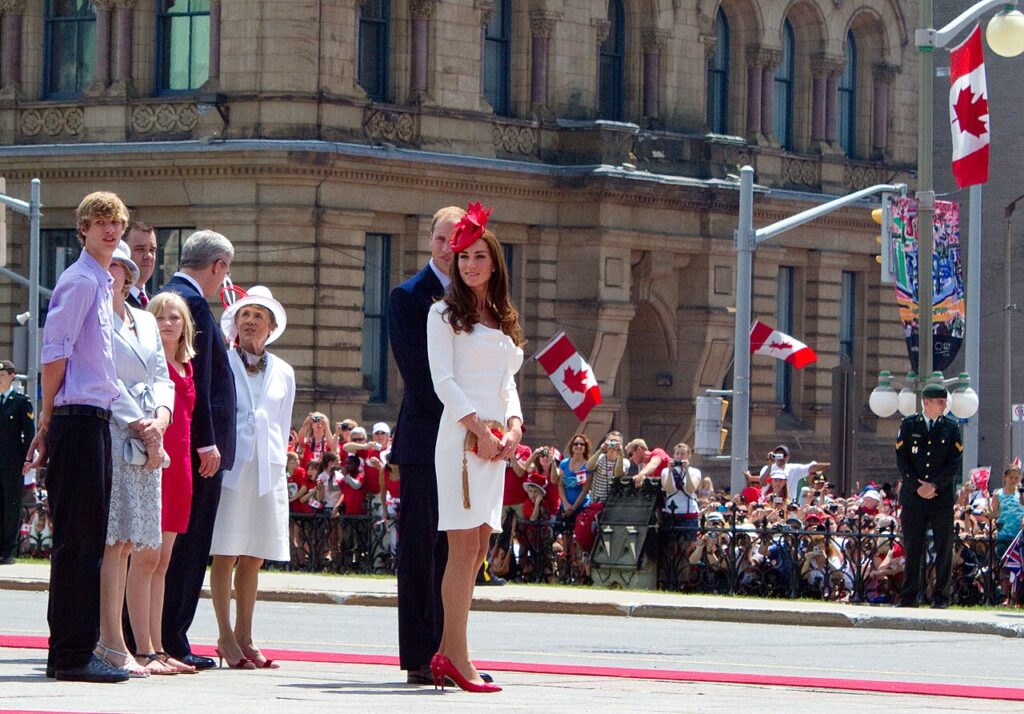
The route was designed to cover the maximum number of ethno-cultural and political regions of the country. The couple travelled about 6,000 kilometres, allowing them to demonstrate the presence of the Crown in both major metropolises and remote areas. The program included visits to Ottawa (the political centre), Quebec (the French-speaking core), Prince Edward Island, and the rugged Northwest Territories. This geographical diversity helped strengthen loyalty to the monarchy in regions with different political sentiments, emphasizing the British Crown’s unifying role for the entire Canadian federation.
The tour became a serious test of endurance and professional suitability for the young couple as representatives of national importance.
In just one week, over 50 official events were held, requiring constant concentration and flawless adherence to protocol from the couple. Each event — from official receptions to informal meetings at the Calgary Stampede — worked towards creating a positive, modern image of the United Kingdom. The mission’s success was confirmed by the reaction of Canadians, who noted that the visit “made the monarchy real” and brought it closer to ordinary citizens, which is a key indicator of the effectiveness of soft power on the international stage.
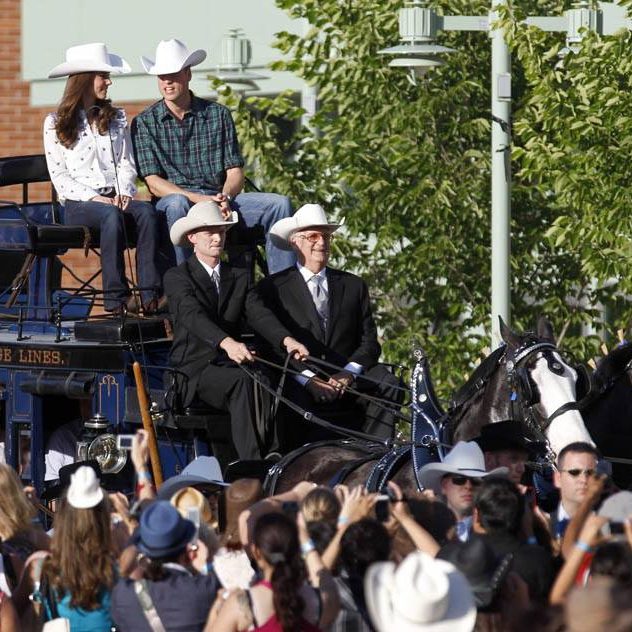
The culmination and final stage of this massive Canadian journey was the visit to Calgary, where the couple swapped their official suits for cowboy hats, symbolically integrating into the region’s cultural code before their flight to California.
Interesting Facts
- Calgary welcomed the royal couple with a traditional gesture of hospitality — the presentation of the famous white Stetson hats. Although this is usually a formal event, William and Kate put them on immediately, causing a wave of delight among local residents.
- Throughout the tour, Catherine changed about 40 different outfits, but it was her appearance in jeans, a white embroidered blouse from Temperley London, and cowboy boots that became the most discussed in the press.
- In interviews, Canadians noted that the couple looked very natural. One of the most popular comments in the crowd was that Kate “fit into the atmosphere incredibly easily,” despite it being her first experience of the kind.
- The video captures the moment when the couple together presses a symbolic button, launching the grand Stampede parade. This was accompanied by explosions of confetti and a large-scale celebration that gathered hundreds of thousands of spectators.
- This short visit to Calgary was followed by a significant portion of the 1,300 accredited journalists, making the 2011 rodeo one of the most media-covered in the festival’s history.
The video of the Duke and Duchess of Cambridge’s visit to the 2011 Calgary Stampede is perfect proof of how the couple managed to turn an official visit into a vivid show, which helped strengthen the image of the monarchy among young people and residents of Western Canada.
The Flip Side of the Canadian Tour
Despite the overall success, the visit of the Duke and Duchess of Cambridge was not entirely cloudless. For the political leadership of Canada and Britain, the tour became a real minefield, where the newlyweds had to weigh every step considering the country’s internal conflicts and international ethical standards.
While hundreds of thousands of people greeted the couple in Ottawa, the mood in French-speaking regions was radically different. The province of Quebec met the representatives of the monarchy with pickets and protests.
For example, the leader of the left-wing Québec Solidaire party, Amir Khadir, openly called the royal couple “parasites,” criticizing the tour as an inappropriate waste of public funds during economic instability.
In Montreal and Quebec City, the couple faced demonstrators in black, waving flags and chanting anti-monarchy slogans. This reminded London that Canada’s status as a kingdom still has strong opposition critics.
The greatest ethical test awaited the couple specifically in Calgary. The intention to visit the legendary Calgary Stampede caused a wave of indignation in the international community. The dispute arose over tough rodeo disciplines, such as steer wrestling and calf roping. Since such entertainment had been banned in the United Kingdom since 1934, British and Canadian animal rights organizations accused the Crown of double standards.
Official London received dozens of letters calling for a boycott of the event. However, for the Canadian government, refusing to attend the Stampede would have meant a political catastrophe in Alberta — the country’s economic heart.
Ultimately, William and Kate chose the path of “regional solidarity.” Their appearance at the stadium in cowboy gear became a signal that the monarchy is ready to support Canada’s local traditions, even if they run counter to British laws.
All this turned the 2011 tour from a simple stroll into a complex diplomatic game, where Calgary became the final platform for confirming loyalty to the western provinces.
The Modern Image of the Monarchy
The visit to Calgary in 2011 went down in history as an excellent example of the use of soft power. At a time when discussions about the expediency of maintaining the monarchical system in the 21st century were becoming louder in Commonwealth countries, William and Kate offered the world an entirely new model of monarchical behaviour.
They proved that the modern Crown is not only the frozen majesty of Buckingham Palace but also the ability to be “one of their own” both at a solemn state reception and at a dusty rodeo stadium. By removing their formal suits and putting on cowboy hats, the Duke and Duchess demonstrated that the institution of the monarchy can be flexible, humane, and, most importantly, adaptive to the cultural code of any nation.
This approach was appreciated by millions of Canadians. The success in Calgary became a kind of political shield against criticism. Thus, the couple showed that the monarchy is capable of uniting the country where politicians often fail. They did not just visit the event but integrated into the atmosphere of Western Canada, turning a potential ethical scandal into a symbol of cultural solidarity.
Even years later, the footage of William and Kate at the Calgary Stampede remains the “gold standard” of royal diplomacy. It was a moment when the old institution got a young face, and the world saw that behind the traditional titles stand people ready to respect the traditions of others as strongly as their own. And you know, it really is so. The story of how a prince became a cowboy for the sake of the country’s unity will always be more interesting than any dry political report.