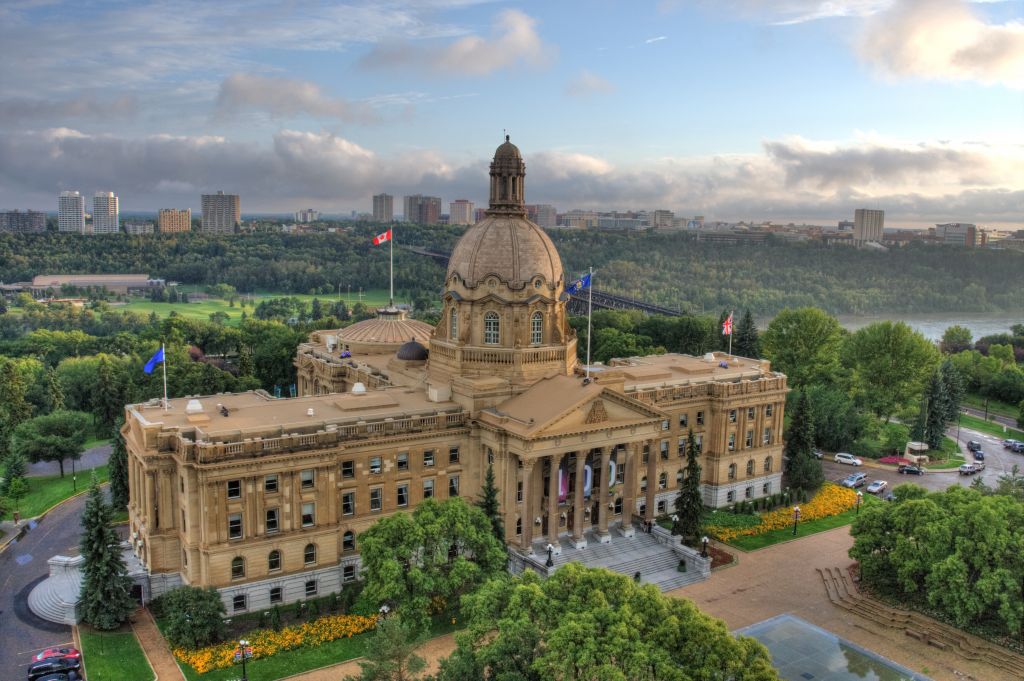

Alberta, named after Princess Louise Caroline Alberta, the fourth daughter of Queen Victoria, was once one of the four districts comprising the Northwest Territories. Though it became a separate province only in 1905, its political history dates back to two of its oldest settlements—Fort Vermilion and Fort Chipewyan. Over its relatively short history, Albertans have demonstrated political dynamism and independence. Explore the key political milestones of the province up to the early 21st century on CalgaryYes.
Early Background
Before 1867, British North America (a territory of Great Britain) was divided into six independent colonies: Nova Scotia, New Brunswick, United Canada (now southern Quebec and Ontario), Newfoundland, Prince Edward Island, and British Columbia. The Canadian Confederation was founded in 1867 by uniting three of these colonies, with the others joining later.
Throughout the first half of the 19th century, fur trading companies such as the Hudson’s Bay Company and North West Company dominated the western territories, populated largely by Indigenous peoples and Métis communities. Gradually, central Canada began to show interest in the West, prompting the Confederation to establish constitutional boundaries. In 1869, Canada acquired Rupert’s Land (territory in northern Canada) and the Northwest Territories from the Hudson’s Bay Company.
Territorial Government
Acquiring Rupert’s Land and the Northwest Territories made Canada responsible for a vast territory. The Territorial Government Act allowed for the appointment of a lieutenant-governor, tasked with local administration under Ottawa’s direction. A council of seven to fifteen members was also established to assist the lieutenant-governor with administrative duties.
Prime Minister John A. Macdonald chose Joseph Howe as the cabinet member overseeing the Northwest Territories and appointed William McDougall, then Minister of Public Works, as the first lieutenant-governor.
The Dominion Lands Act of 1872 allowed homesteaders to claim a free quarter-section of land in the West. This, along with the construction of the railway, triggered significant settlement in western Canada. By the mid-1870s, the North-West Mounted Police established outposts in Fort Edmonton and Fort Calgary. By 1881, Alberta was home to approximately 6,000 Indigenous peoples and 1,500 settlers, including Métis and European settlers.
In 1875, the North-West Territories Act introduced electoral districts, and in 1888, the North-West Territories Legislative Assembly was formed, with seven members representing Alberta.
Between 1885 and 1897, tensions arose between the North-West Territorial Council, the Legislative Assembly, and Ottawa over control of finances. In 1891, the Dominion Parliament amended the North-West Territories Act to allow the Legislative Assembly to enact ordinances covering most matters, except borrowing powers.
Frederick William Haultain was appointed premier in 1891, beginning the push for fully responsible government, which Ottawa officially approved six years later.
Becoming a Province
In 1883, natural gas was discovered 40 miles west of Medicine Hat, and the first commercial well was drilled in 1890. Coal mining at the Crowsnest Pass and the establishment of sawmills spurred economic growth, convincing Ottawa of Alberta’s potential. After a long struggle for autonomy, Alberta became a province in 1905.
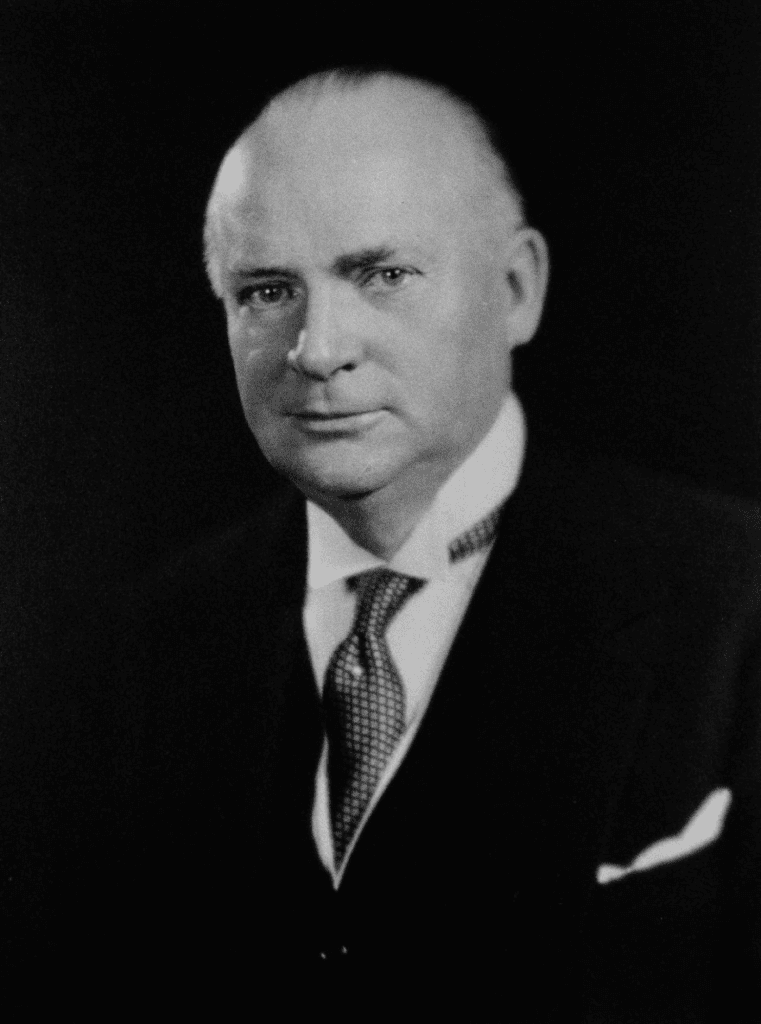
The first Legislative Assembly had 25 members. Edmonton lawyer Alexander Cameron Rutherford became the first premier until Alberta was officially divided into electoral districts.
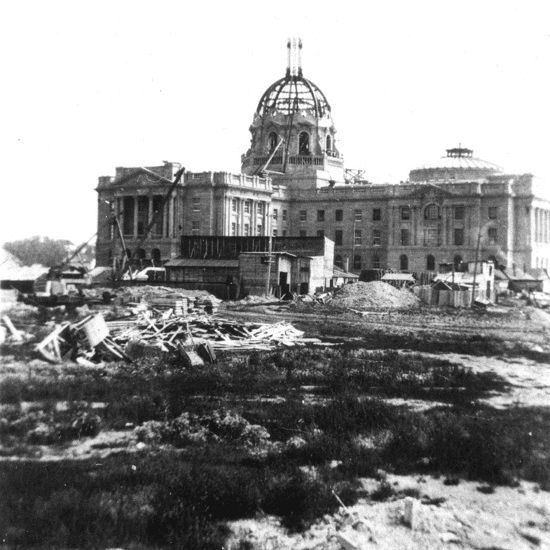
The first provincial elections, held on November 9, 1905, resulted in Rutherford’s Liberal Party winning 23 of 25 seats. The government initially operated out of McKay Avenue School, the only suitable location in Edmonton. During the first legislative session, members set vehicle speed limits, approved the establishment of the University of Alberta, named Edmonton the provincial capital, and selected a site overlooking Fort Edmonton for the provincial legislature building.
What Happened Next?
Supported by the newly formed United Farmers of Alberta party, Rutherford was re-elected. Opposition leader Richard Bennett, a young Calgary lawyer, rose to prominence. In 1910, Rutherford resigned, and Judge Arthur Sifton took over, leading the Liberals to victory in 1913.
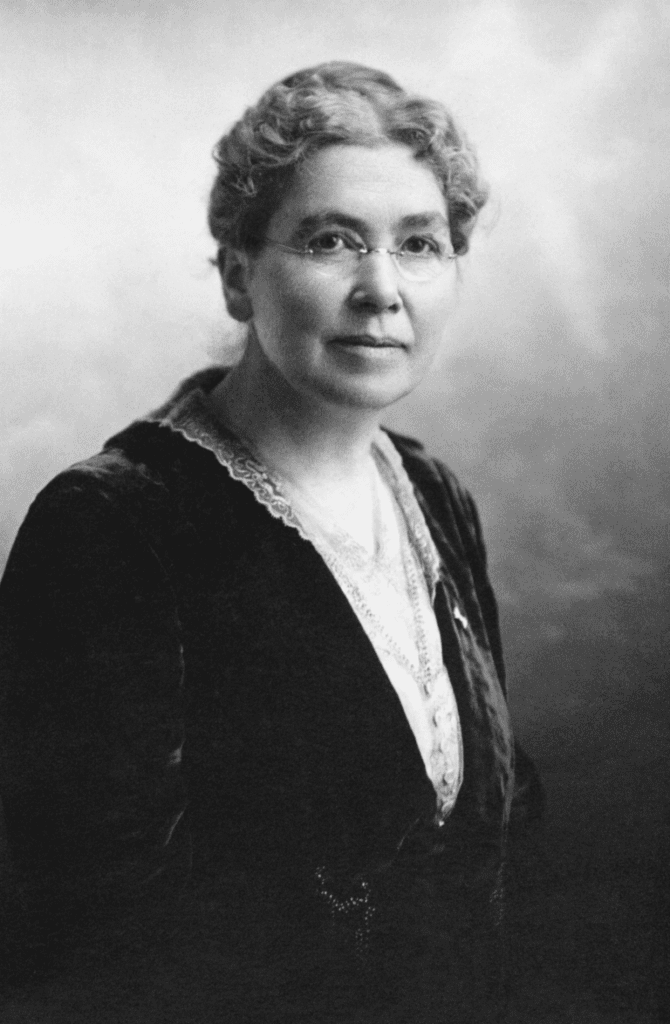
The First World War became a catalyst for Alberta’s economic, social, and political growth. Women began participating in politics due to a lack of male candidates and gained the right to vote in 1916. In 1917, Arthur Sifton was re-elected, and Louise McKinney became the first woman elected to a legislative body in Canada and the British Empire.
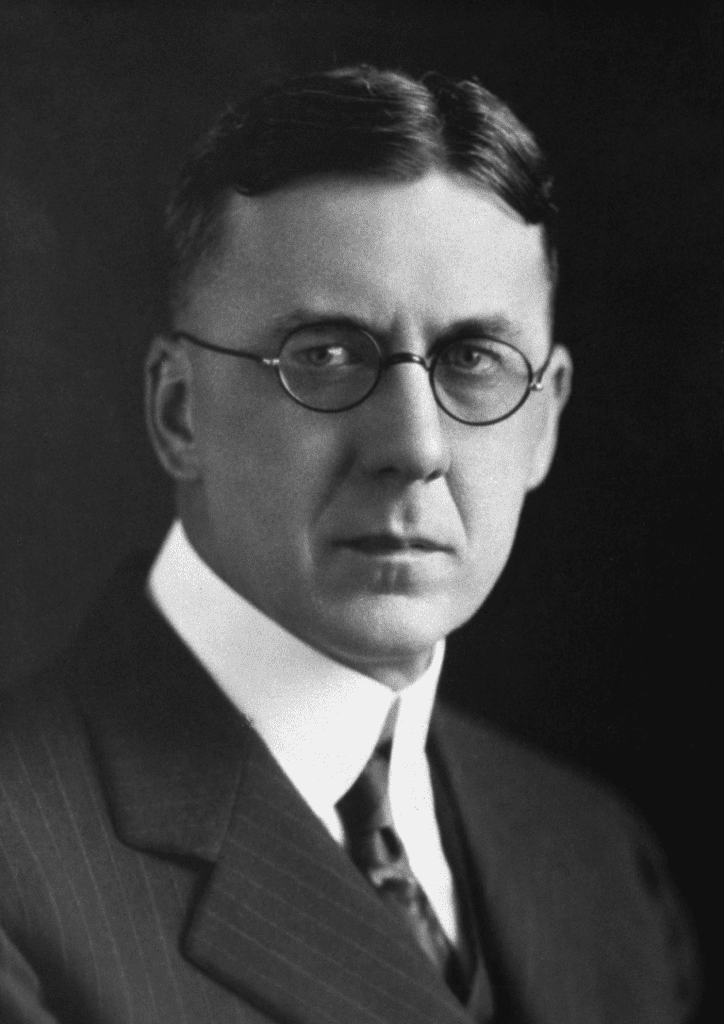
Shortly after the election, Sifton resigned, and Charles Stewart assumed leadership of the Liberal Party. Falling grain prices and the inability to fund proposed projects eroded support for the Liberals. By 1921, farmers sought better representation and elected farmer Herbert Greenfield as premier.
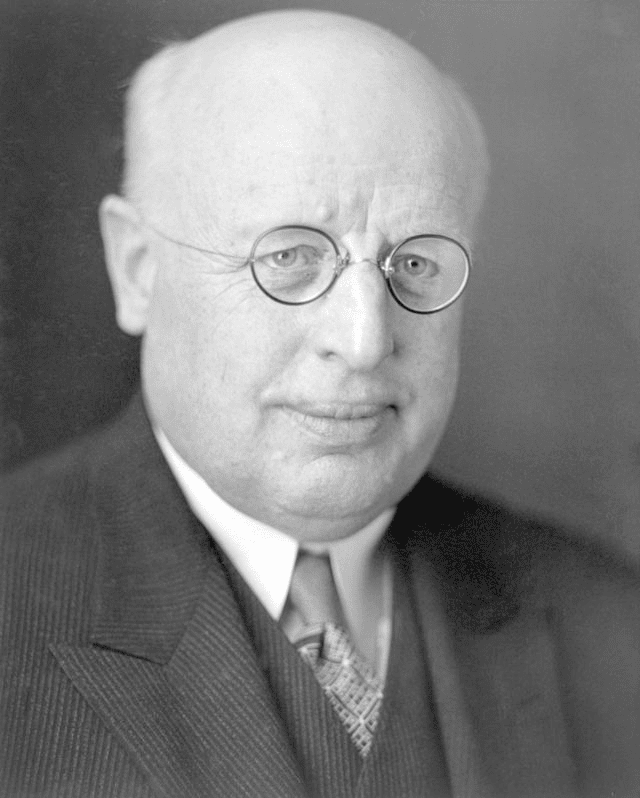
Greenfield appointed cabinet lawyer John E. Brownlee as attorney general, who succeeded him as premier in 1925. Brownlee became one of Alberta’s most productive politicians and a staunch advocate for farmers’ rights. However, in 1934, he resigned due to a scandal involving Vivian MacMillan, a family friend and clerk in the attorney general’s office, whom he had allegedly seduced and blackmailed between 1930 and 1933.
Brownlee was succeeded by provincial treasurer Richard Reid, whose tenure was brief. In 1935, Calgary high school principal William Aberhart led the Social Credit Party of Canada to victory. Aberhart, known for his popular evangelical radio broadcasts, promised Albertans $25 monthly credits during the Great Depression.
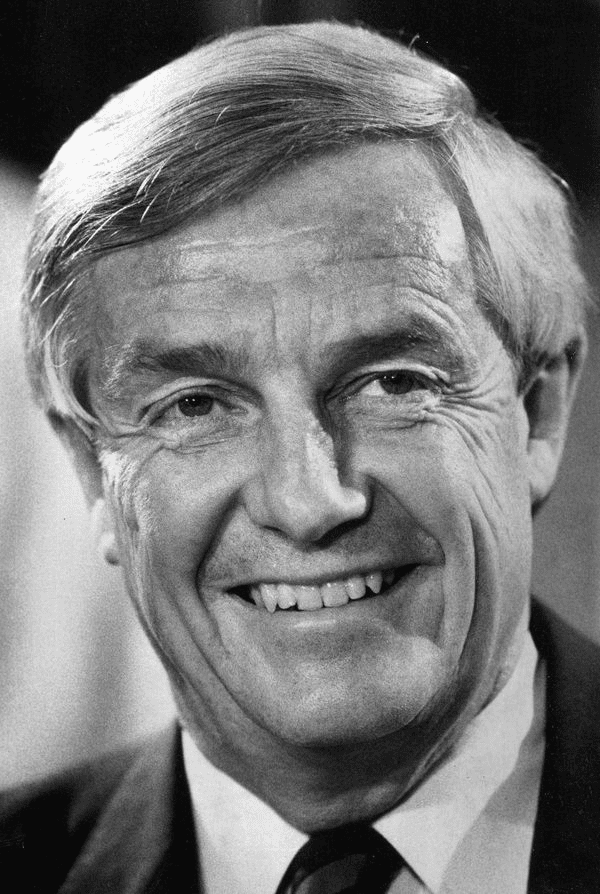
Internal party conflicts over Aberhart’s unfulfilled promises overshadowed his other political achievements. After Aberhart’s death in 1943, Ernest Manning became party leader and premier. In 1947, a major oil discovery near Leduc spurred the province’s energy infrastructure development.
In 1971, businessman and lawyer Peter Lougheed became premier, leading the Progressive Conservative Party to its first Alberta victory. Lougheed held office for 15 years, positioning Alberta as a national leader. He opened numerous social and healthcare facilities, created the Alberta Heritage Savings Trust Fund to invest oil and gas revenues, and spearheaded the province’s economic diversification.
Lougheed resigned in 1985, succeeded by fellow Progressive Conservative Don Getty, who served until 1992. Ralph Klein followed, remembered for his populist appeal and controversial remarks about homelessness and LGBTQ+ individuals. Klein stepped down in 2006.