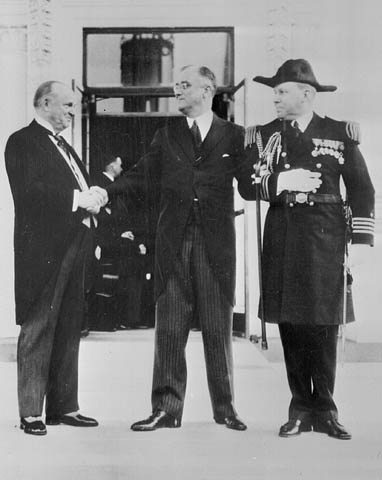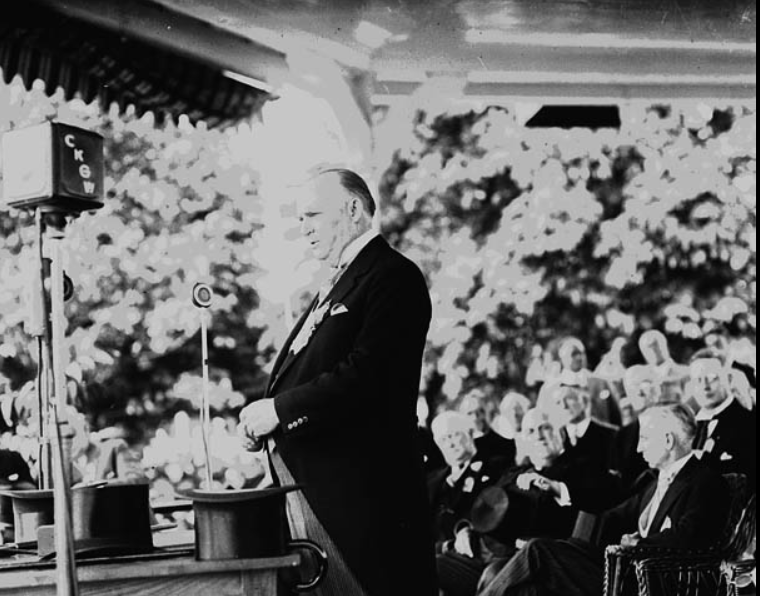

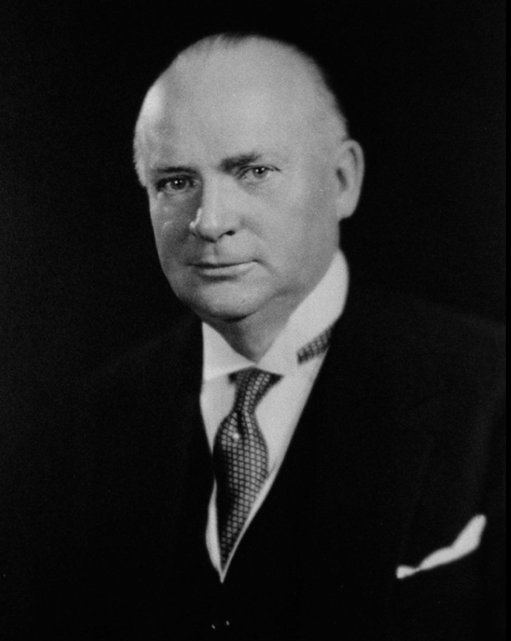
Richard Bedford Bennett (1st Viscount Bennett) was more than just a politician; he was a titan of his era. His life reads like a high-stakes novel—a self-made multi-millionaire who took the helm of the country during its darkest hour, the Great Depression. Calgaryes dives into the incredible success, the political tragedy, and the quiet philanthropy of the man who shaped modern Canada.
From Ambition to Empire
In 1897, a young lawyer from New Brunswick arrived in Calgary with nothing but a letter of recommendation and relentless ambition. At the time, Calgary was a frontier town of endless opportunity, and it was here that Bennett began building his massive empire.
His first major breakthrough came through a strategic partnership with James Lougheed. This wasn’t just a job; it was a golden ticket to an elite circle of clients, ranging from railway barons to the region’s first oil pioneers. By rubbing shoulders with Canada’s most influential power players, Bennett earned a reputation as a brilliant legal mind while mastering the art of high-yield investments.
This experience allowed him to move far beyond the courtroom. By investing his own capital into burgeoning sectors like energy (Calgary Power) and manufacturing (the match giant E.B. Eddy), Bennett became a multi-millionaire long before his name ever appeared on a federal ballot.
Despite his staggering wealth, Bennett lived a surprisingly Spartan lifestyle focused entirely on his work. Instead of building a lavish estate, he spent years living out of a suite at the Fairmont Palliser Hotel. It was a choice that defined his character: he valued functional comfort and total mobility, viewing private property as an unnecessary distraction from his goals.
The Great Depression and the “Bennett Buggy”
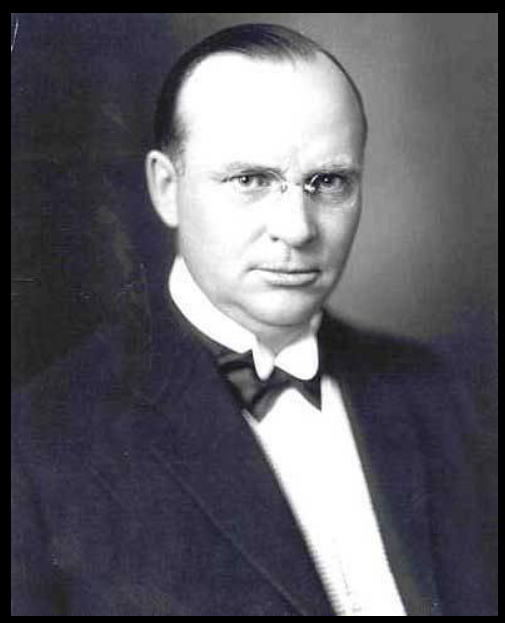
When Richard Bennett became Prime Minister in 1930, he rode into office on a wave of high expectations. His campaign rhetoric was bold: the self-made millionaire promised to “blast” a way into world markets and protect Canadian industry. However, the reality of the global economic collapse proved far more stubborn than any political slogan.
As traditional economic fixes failed, Bennett became the face of the nation’s despair. The most painful symbol of this era was the “Bennett Buggy.” Unable to afford gas or repairs, farmers and city dwellers alike pulled the engines out of their cars and hitched them to horses. These skeletal remains of once-luxurious vehicles became a biting, nationwide irony aimed at their leader’s unfulfilled promises.
Publicly, Bennett was branded with the “Iron Heel” reputation—a stern leader who established relief camps and hesitated to implement radical reforms. But behind the cold facade of the PMO, there was a secret that only came to light much later.
While his government was slammed for being out of touch, Bennett stayed up late every night personally reading letters from struggling citizens. In a move unique in political history, he hand-wrote replies to thousands of Canadians. More importantly, he often tucked $2 or $5 bills into the envelopes—his own money. For a starving family, these personal gifts from the millionaire Prime Minister were often their only lifeline. The man the country accused of indifference was secretly saving thousands of lives from his own pocket.
The Architect of Canadian Identity
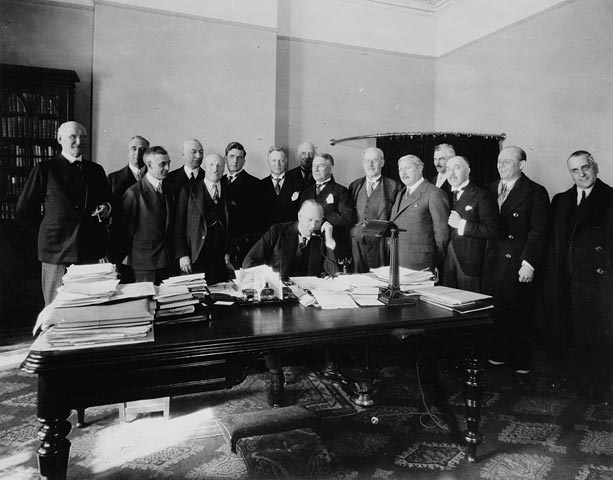
Though voters punished Bennett with a crushing defeat in 1935, the true value of his leadership emerged over time. The institutions he built didn’t just survive; they became the bedrock of Canadian sovereignty. Bennett was a visionary who realized that for Canada to step out of the shadows of the U.S. and Britain, it needed its own powerful tools of statecraft.
His first move toward true independence was overhauling the financial sector. Bennett founded the Bank of Canada, finally giving the nation its own monetary policy and ending the dominance of private banks. This was the birth of Canada’s economic sovereignty.
Bennett also focused on cultural security. He spearheaded the creation of the Canadian Radio Broadcasting Commission (the precursor to the CBC), ensuring Canadians could hear their own news and stories rather than being overwhelmed by American media.
The most radical shift came at the end of his term. Recognizing the depth of social inequality, Bennett proposed the “Canadian New Deal.” It was a daring reform package that included a minimum wage, unemployment insurance, and old-age pensions. While controversial at the time, these ideas eventually became the “gold standard” of the Canadian social safety net that the country prides itself on today.
Letters That Never Went Unanswered
Bennett was perhaps the only world leader of his time to personally handle his own “mercy mail.” At the height of the crisis, he received weekly requests for aid totaling roughly $10,000—an astronomical sum in the 1930s.
His generosity knew no bounds: he funded university buildings, paid for surgeries for children from impoverished families, and sent endless personal donations without ever seeking a headline. One of his most touching traditions was the “Silver Cup” program. Every Canadian baby named Richard Bedford was sent an engraved silver cup from Birks jewelers—a small gesture of connection to families across the Dominion.
The Philanthropist’s Personal Tragedy
Having no children of his own, Bennett poured his affection into his nephews. When both Major Edwin and Lieutenant Henry were killed in action in Normandy in 1944, it was a devastating blow. The loss of his heirs only accelerated his plan to liquidate his fortune for the public good.
In 1943, while living in England, Bennett dictated a remarkable memorandum to his secretary, Alice Millar. He ordered the total liquidation of his remaining stocks and bonds, directing all assets (excluding his home) toward charitable gifts. He strictly forbade any public recognition, refusing brass plaques or newspaper mentions. He wanted his final acts of service to remain as quiet as his midnight letters.
As historian John Boyko noted: “He was an extraordinarily generous man who made charity a part of his life long before he became wealthy.”
Behind the Curtains of Power
Richard Bennett remains the only Canadian Prime Minister buried in England and the only one to be elevated to the British peerage as a Viscount. His life is a testament to a leader who thrived in impossible circumstances.
He proved that even in times of national despair, it is possible to lay the groundwork for a stable future. His legacy—an independent financial system and a distinct cultural space—continues to hold Canada together today.