

The Calgary City Council is the legislative body of the city, composed of 15 members: the mayor and 14 councillors, each representing one of the city’s wards. Learn more about the key figures and events in the history of this important institution below on calgaryes.
“The Race for Mayor”
From 1884 to 2013, elections for Calgary City Council were referred to as “the race for mayor.” Much like beauty contests, the mayoral competition was held annually until the 1923 plebiscite, which extended the term to two years. In 1968, the Municipal Government Act increased the mayoral term to three years, and in 2013, it was extended to four years.
The First Mayor
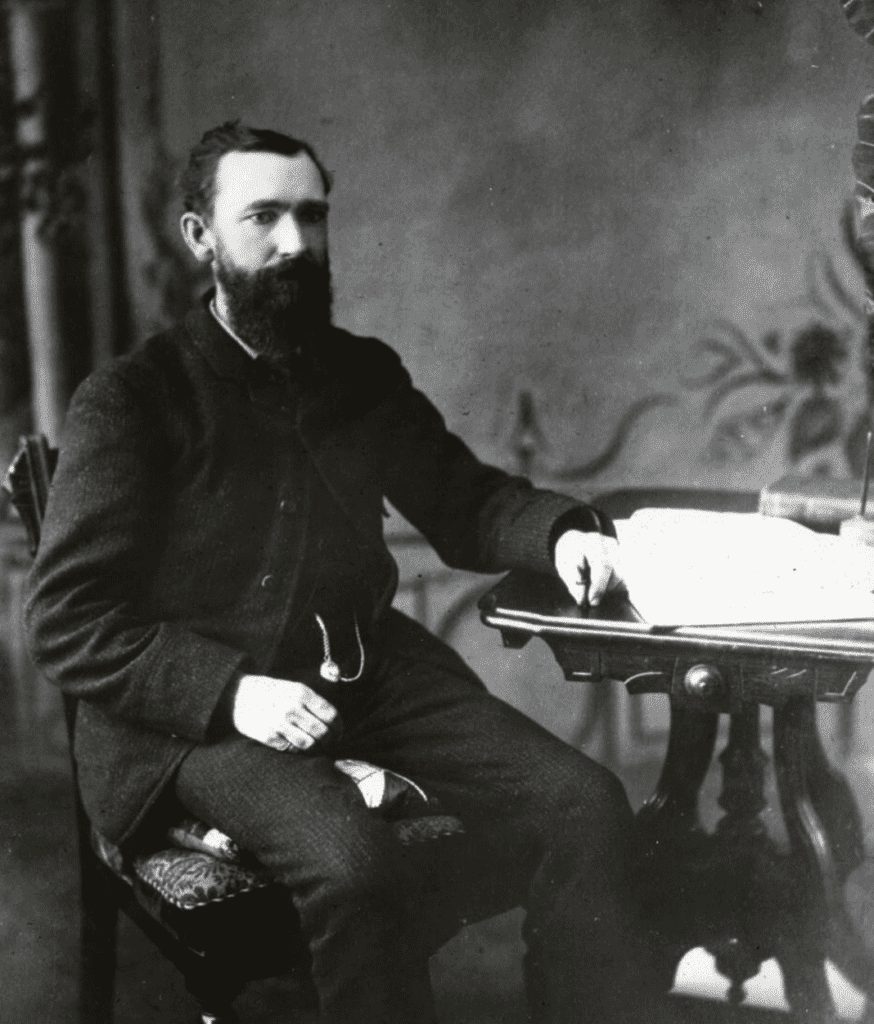
In 1884, Calgary elected its first mayor, George Murdoch, who received 202 votes compared to his opponent E. Redpath’s 16. At the time, voting rights were granted exclusively to men aged 21 and older who owned property valued at more than $300.
George Murdoch was born in Scotland in 1850 and emigrated to Canada at the age of four, settling in Saint John, New Brunswick. At 33, he moved to Calgary, where he established a harness-making shop, becoming one of the community’s first entrepreneurs. His primary clientele included the North-West Mounted Police and the Blackfoot Nation. Murdoch developed a strong rapport with the Blackfoot people and even learned their language.
Murdoch earned a positive reputation among voters by joining a group of Calgarians advocating for the town’s city status. This support helped him secure a win in the municipal election on December 4, 1884. As mayor, Murdoch openly defended the sale of alcoholic beverages, gambling, and other activities prohibited in the North-West Territories, which included Alberta at the time.
Record Tenure as Mayor
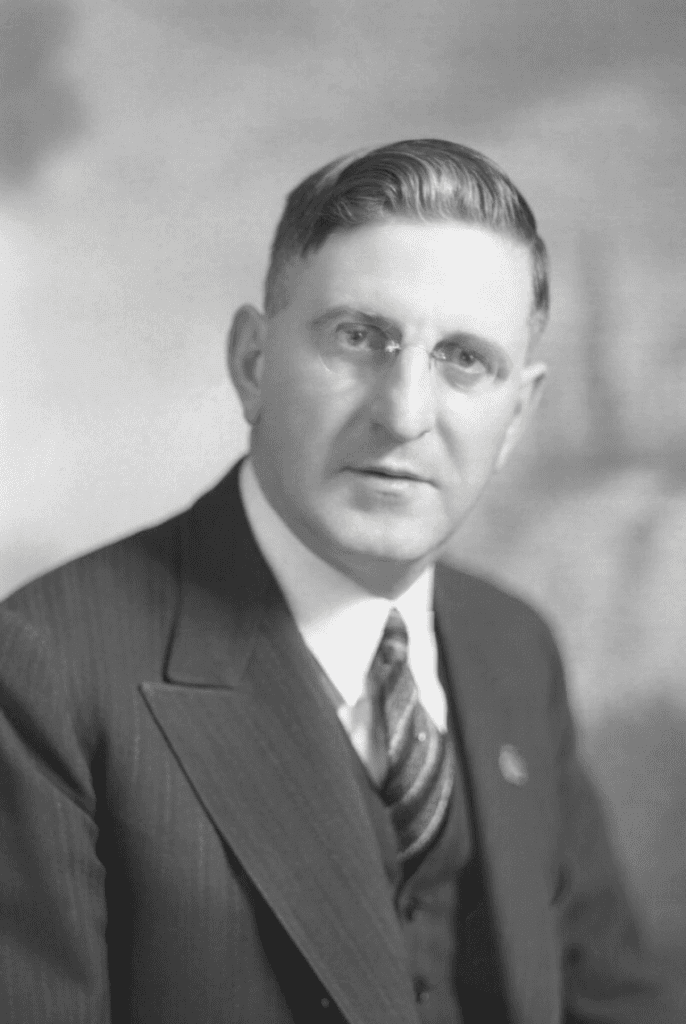
Andrew Davison, Calgary’s 24th mayor, holds the record for the longest tenure (as of 2023), serving 16 years from 1929 to 1945 before retiring due to health issues.
Davison was born in Money More, Ireland, in 1886 and arrived in Alberta in 1895. Before entering politics, he worked as a printer, linotype operator, and publisher. During World War I, he served as a sergeant in the Canadian Army Corps in London and, in World War II, commanded the second battalion of the Calgary Highlanders infantry regiment, earning the rank of captain.
As mayor, Davison helped Calgary navigate the Great Depression and address a $2 million debt incurred for constructing the Glenmore Dam. Under his leadership, aldermen began receiving payment for their services—$50 per standing committee meeting, capped at $250 annually.
Councillors to Aldermen
Over time, the number of councillors and the method of their election evolved. Between 1884 and 1886, only four councillors were elected. In 1894, when Calgary became a city, the term “councillor” was replaced with “alderman.” The city was divided into three wards, each represented by three aldermen, making a total of nine. By 1906, a fourth ward was added, increasing the total to 12 aldermen.
The ward system was discontinued from 1914 to 1960, during which aldermen were elected at-large for two-year terms. In 1960, a referendum reinstated six wards, each represented by two aldermen. By 1976, the number of wards had increased to 14.
In 2010, Calgary City Council voted to change its members’ titles from “aldermen” to the gender-neutral “councillors.” This decision ended a debate that had lasted over 30 years since it was first raised by female council members in 1977. Since 2013, ward representatives are called councillors and serve four-year terms.
The First Female Alderman
Although Alberta women gained the right to vote and hold office in 1916, female candidates were often dismissed as homemakers rather than thought leaders. Once elected, they not only worked to improve city living standards but also fought to challenge stereotypes about their gender.
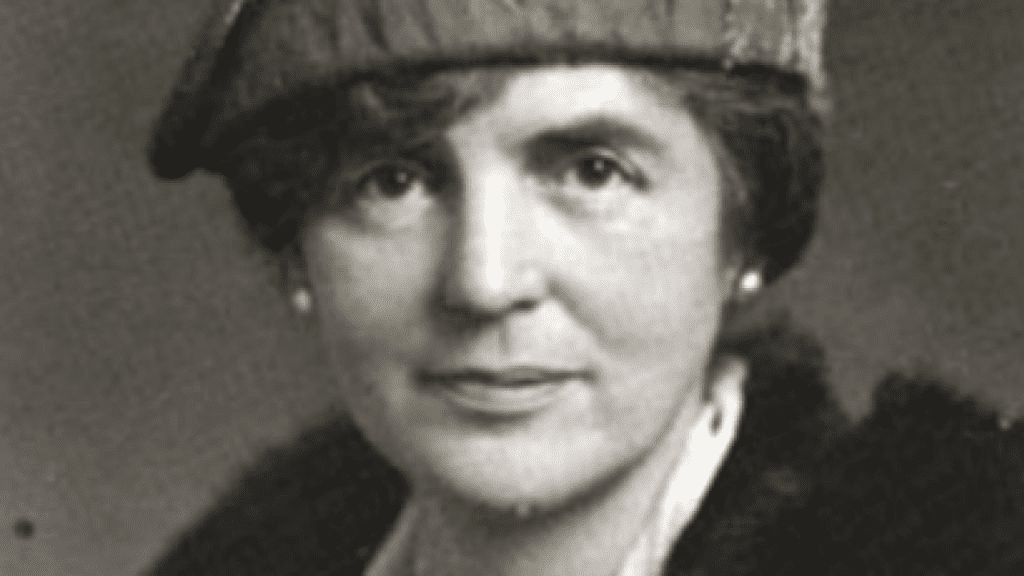
On December 10, 1917, Annie Gale became the first female alderman in the history of Canada and the British Empire (of which Canada was a dominion).
Born in Worcestershire, England, in 1876, Gale moved to Calgary with her husband and sons in 1912. Her activism began when she noticed local merchants entering contracts with British Columbia farmers while ignoring Alberta’s producers. In 1914, Gale founded a garden club to boost vegetable and fruit production during the war, demonstrating Alberta’s agricultural potential.
As an alderman, Gale championed equal professional opportunities for men and women, opposed child labour, and advocated for public markets, despite facing criticism. She also aimed to reform Calgary’s prison system and healthcare funding, proposing that hospitals receive government support. She left her position due to blackmail from her opponents.
The First Female Mayor
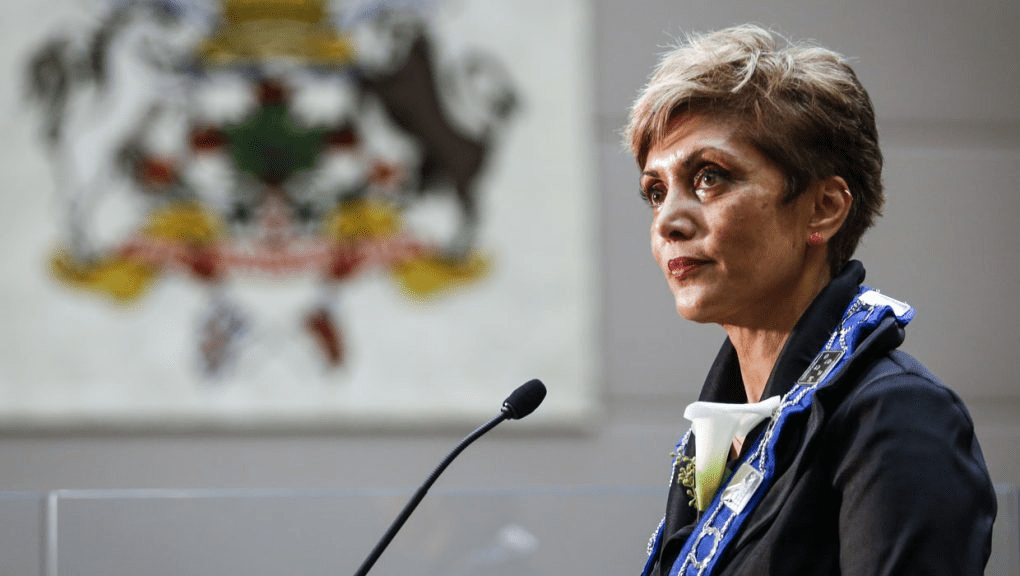
Jyoti Gondek became Calgary’s first female mayor in October 2021. She is recognized for her efforts in community building and promoting diversity, as well as fostering partnerships among businesses, non-profits, educational institutions, and local government to better serve the public.
Gondek was born in London, England, in 1969 to parents who had emigrated from India. When she was four, her family moved to Canada, settling in Winnipeg.
Before becoming mayor, Gondek worked as a political analyst for the Manitoba government, founded the consulting firm Tick Consulting, and directed a real estate initiative at the Haskayne School of Business at the University of Calgary. She actively participated in community groups, serving on Calgary’s planning commission from 2012 to 2016 and as councillor for Ward 3 from 2017 to 2021.
The Historic City Hall
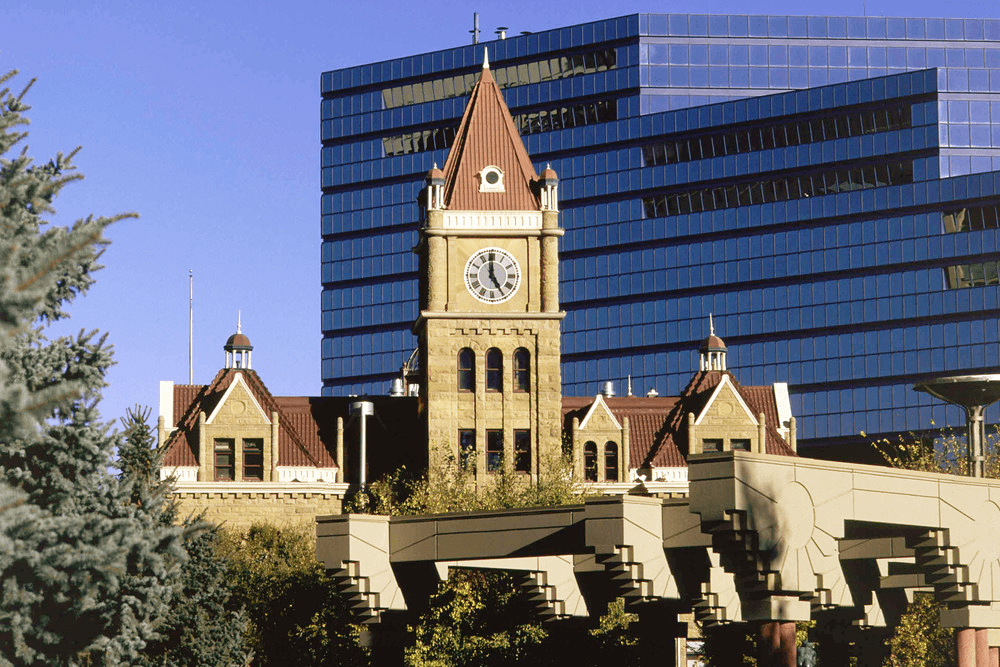
Calgary’s City Hall opened its doors on January 2, 1911. Built from locally sourced sandstone, the building became home to a massive four-faced clock installed on a 32.7-metre tower four days later. The clock requires manual winding twice a week. It is the only surviving clock of its kind in Canada. While its maintenance cost $3,500 in 1911, it rose to $125,000 by 2022.
Interestingly, the building’s basement once housed a city jail. Additionally, on the fourth floor, a brick bearing the paw prints of a cat that stepped on it during construction is still visible.
To honour those who maintained the clock over the years, their names and initials were inscribed in the clock room. In the digital age of smartphones, City Hall’s clock stands as a testament to Calgary’s phenomenal growth since 1911.