
When World War II began on September 1, 1939, Canada enlisted over one million men and women for military service. The war united the country and shaped its national identity. Many were sent abroad, leading to stories of courageous Canadians on the frontlines. However, a lesser-known aspect of the war lies in what transpired within Canada’s borders.
The country responded by establishing camps for prisoners of war (POWs) and internees. Citizens or nationals of enemy states were detained without trial until the war’s end. Canada discriminated against German, Japanese, and Italian communities. For more on these internment and POW camps in Alberta and details on detainees and their lives, continue reading on Calgaryes.
Four Major Camps
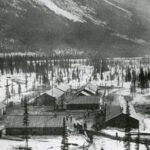
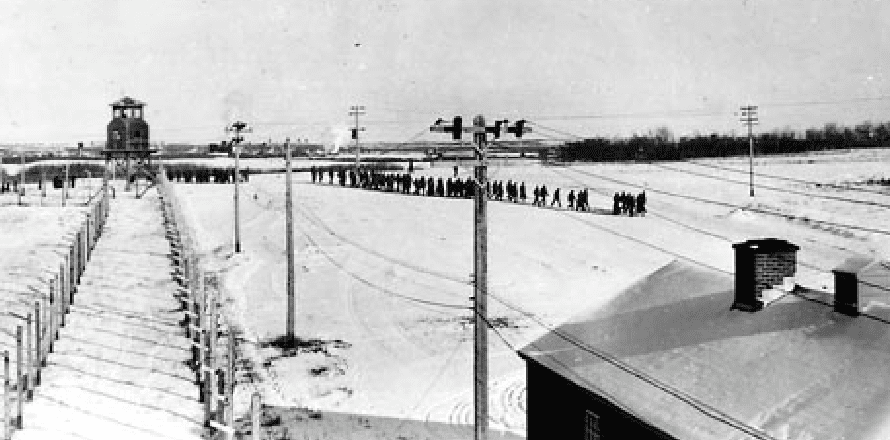
The first camp in Alberta during World War II was a temporary facility in Ozada, located between Banff and Calgary. It was used during the construction of the Lethbridge and Medicine Hat camps, which later became two of the largest internment camps in North America. Each of these camps housed 12,500 prisoners and was considered “comfortable,” featuring two recreation halls, six educational centres, six workshops, an equal number of dining halls, and 36 dormitories.
From 1939 to 1946, Alberta had four major POW and internment camps:
- Sibbald (Kananaskis): Operated from September 1939 to June 1946, housing various internees.
- Wainwright: Opened in December 1944 and closed in June 1946, holding officers and other military ranks.
- Lethbridge: Active from May 1942 to autumn 1946, accommodating POWs of various ranks.
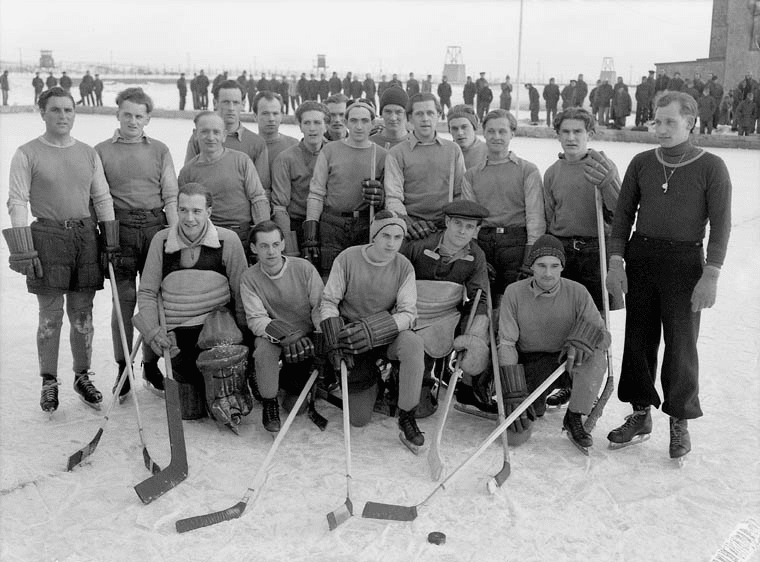
- Medicine Hat: Functioned from January 1943 to April 1946, detaining enemy merchant sailors and POWs from Europe and North Africa.
Hockey Team of Prisoners: Medicine Hat Camp, February 1946
Other camps across Alberta served as detention centres, labour camps, or special work project sites.
The Sibbald Camp
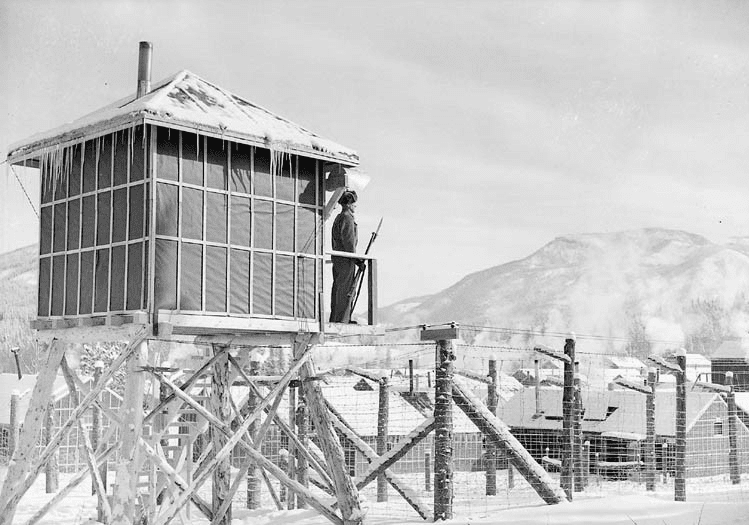
The Sibbald camp included prisoner barracks, a prison facility, a dining hall, a recreation hall, a
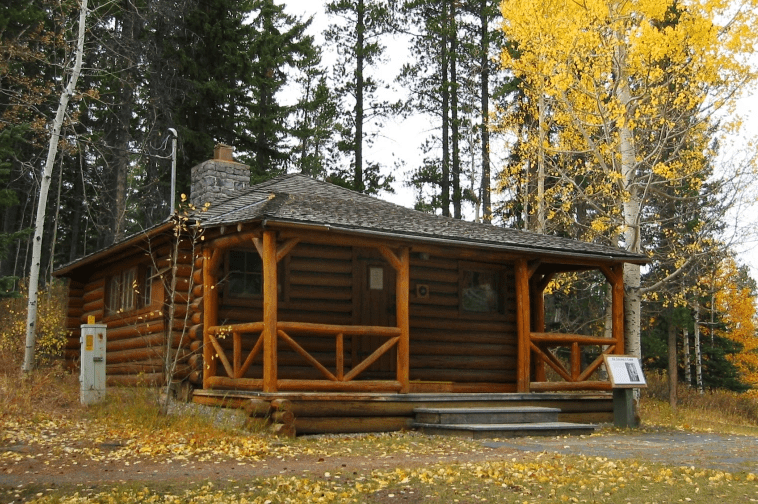
store, a sports field, a hospital, and a post office. Additionally, there was a dining facility for officers, an administrative office, guard quarters, and a parade ground. In 1936, a forestry research station was built, later used as a commandant’s quarters during the war. This is one of the few buildings from the World War II internment camps still standing in Alberta. In 1982, the structure was designated a historic site of Alberta.
Most Internees Were Japanese
While Canadians worked together to defeat the enemy both abroad and at home, Canada simultaneously identified and imprisoned its own “enemies,” including Germans, Japanese, Italians, and conscientious objectors. Both Canadian citizens and non-citizens faced persecution.
Ethnic or religious affiliation often fueled suspicion against minority groups. In 1939, Canada reinstated the War Measures Act, allowing the government to detain anyone suspected of espionage, subversion, threats to public safety, or fascist sympathies. The majority of internees were Japanese, followed by Germans.
Following the Japanese attack on Pearl Harbor in 1941, Canadian hostility toward Japanese residents intensified. Under the British Columbia Security Commission’s directive, around 21,000 Japanese were deported from British Columbia, including many Canadian-born individuals. Able-bodied men were sent to labor camps, while women, children, and the elderly were relocated to settlements in other provinces, leading to family separations and significant financial losses as they were forced to sell property quickly and cheaply.
Among these displaced individuals, 2,664 Japanese relocated to Alberta, where sugar beet farms in the southern province needed workers. Farmers benefited from inexpensive labor, while Japanese workers avoided internment camps but lived in substandard conditions, such as shacks and chicken coops.
Discrimination Against Italians
Like other Canadian immigrants in the late 19th century, Italians occasionally faced discrimination. However, anti-Italian sentiments grew after Italy joined the war in June 1940, aligning with fascist Germany.
Many Italians lost their jobs, suffered physical attacks, and endured harassment. Italian-Canadian business owners experienced boycotts and vandalism, such as broken shop windows. About 31,000 Italian men, women, and children in Canada were registered as “enemy aliens.” In June 1940, 48 Italians from Western Canada were interned at the Sibbald camp.
Labor Camps for Conscientious Objectors
Mennoites, Hutterites, Doukhobors, and Jehovah’s Witnesses who refused military service were detained. In 1941, labor camps were established in Jasper and Banff National Parks for these groups. Those who volunteered for work faced ridicule and ostracism, while others who refused were sent to internment camps.
Prisoner of War Camps
During World War II, Britain struggled to house its German POWs, prompting Canada to intervene. Between 1940 and 1946, Canada held 37,934 German POWs in 25 internment camps across the country. Alberta’s four main camps accommodated many of these prisoners.
Prisoners experienced daily roll calls, weekly inspections of living quarters, and oversight of their activities, including walks and chores. In the Wainwright camp, detainees engaged in landscaping, gardening, soil laying, shrub planting, and seeding grass. Some POWs worked under contract on farms and industrial projects. By 1944, approximately 1,200 prisoners had jobs outside the camp.
POWs also participated in recreational activities such as sports (football was a favorite), board games, theater, and music. Libraries played an essential role in camp life; for instance, by the end of the war, the library at the Lethbridge camp held 26,000 books and 19,000 textbooks. Prisoners could also engage in crafts like art and woodworking, and some of their works are preserved in Alberta museums.
A Mixed Legacy
Some German POWs spoke positively about their time in Canadian camps. Many returned to Canada as visitors after the war, and others immigrated, making it their new home.
Although Canadian POW and internment camps were relatively humane compared to those in other countries, they caused family separations and displacement. Several sites preserve markers that serve as reminders of this dark chapter in history and lessons for future generations.