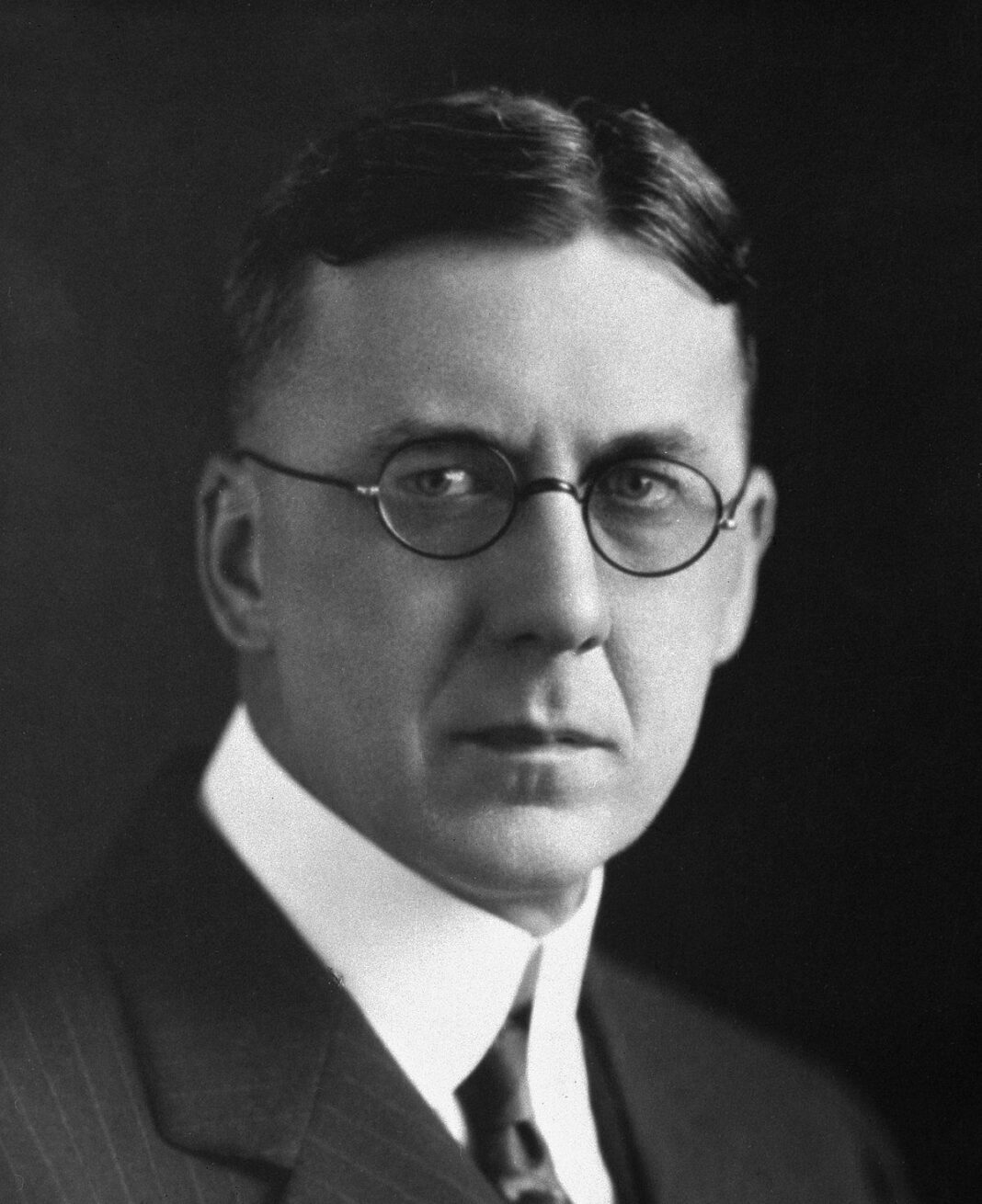

John Edward Brownlee, a lawyer, businessman, and the 5th Premier of Alberta (1925–1934), earned a reputation as one of the province’s most productive politicians and a staunch advocate for the rights of Alberta farmers. Read on to learn about Brownlee’s life, career, and the details of a scandalous trial that led to his resignation. More on calgaryes.com.
Early Life
John was born on August 27, 1883, in the fishing village of Port Ryerse, Ontario, to a merchant father and a schoolteacher mother. The family lived in a department store building, where John spent his childhood. By the age of seven, he was helping his father in the shop and spent his free time reading books and listening to political discussions between his parents and neighbors.
By the late 1880s, Port Ryerse had nearly become a ghost town, prompting the family to move to the village of St. Clair in southwestern Ontario. There, John enrolled in primary school and attended Sunday school at the village Methodist church. He also joined the church’s youth club, which occasionally organized performances, though the shy and reserved Brownlee struggled with public activities.
At 14, John traveled alone to Sarnia, Ontario, to attend the nearest school offering higher grades. After graduating, he accompanied his father on a business trip through northern Ontario.
Teaching and Legal Career
John’s parents envisioned a teaching career for him. At 18, he enrolled in a teacher training program and, after completing the 15-week course, became one of two teachers at the Bradshaw School.
Unfulfilled by his $400 annual salary, John decided to pursue a university education. To fund his studies, he spent the summer of 1904 selling single-volume encyclopedias in recently settled areas of Rapid City, Manitoba. He then returned to Ontario and enrolled at Victoria College, part of the University of Toronto.
At university, Brownlee majored in history and political science while actively participating in extracurricular activities. He honed his debate skills in the Union Literary Society and gained managerial experience working on college magazines.
In 1909, Brownlee moved to Calgary to work as a lawyer for the newly formed United Farmers of Alberta (UFA). When the party won the 1921 provincial election, he became Attorney General in Herbert Greenfield’s government. In this role, John focused on improving the lives of farmers suffering from drought in southern Alberta. When discontent with Greenfield’s leadership grew among party members, they urged Brownlee to replace him. Reluctantly, he agreed and became Premier in 1925.
Political Achievements
As Premier, Brownlee negotiated an agreement with the Canadian government to transfer control over Alberta’s natural resources to the province. He also sold struggling government-owned railways to national and Pacific railway companies. However, the onset of the Great Depression posed significant challenges. Unable to restore Alberta’s prosperity amidst global economic turmoil, Brownlee faced growing criticism from voters.
Public disillusionment with his financial prudence, cautious relief programs, and political conservatism, coupled with a personal scandal, forced Brownlee to resign in July 1934.
Sex Scandal
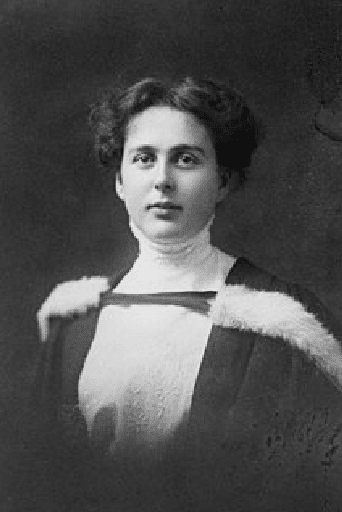
In 1934, Brownlee was sued by Vivian MacMillan, a family friend and clerk in Alberta’s Attorney General’s office. MacMillan claimed that Brownlee seduced her in 1930, a few months after her 18th birthday. According to her allegations, Brownlee ridiculed her “old-fashioned scruples” and assured her that he was “lonely and unhappy.”
By July 1930, Vivian was still living with her parents. Brownlee persuaded her to move to Edmonton, promising her a government job and financial security. She took business courses and became a secretary in the Attorney General’s office.
Brownlee provided Vivian with a government car, and they frequently drove together in the countryside. When she refused to stay overnight with him, he allegedly threatened to terminate her government position.
As a result of this coercion, Vivian’s physical and mental health deteriorated, culminating in a nervous breakdown that forced her to leave her job and return to her father’s home in October 1932. Despite her declining health, Brownlee reportedly insisted on continuing their relationship, meeting her in his office or taking her on drives. This “romance” continued until 1933.
In June 1933, Vivian’s boyfriend proposed to her but withdrew the proposal after she confessed her relationship with Brownlee. In response to Vivian’s lawsuit, Brownlee countersued, claiming that the scandal was a conspiracy involving the MacMillan family, Vivian’s boyfriend, and the Liberal opposition, who allegedly paid them to tarnish his reputation.
The trial shocked Albertans, revealing intimate details such as sexual encounters between Vivian and Brownlee in a room where his 17-year-old son was sleeping or in the same room as his disabled wife. After five hours of deliberation, the jury found Brownlee guilty and awarded Vivian $10,000 in damages. However, the judge overturned the verdict, citing insufficient evidence of harm.
The Aftermath
In his book Courted and Abandoned: Seduction in Canadian Law, scholar and lawyer Patrick Brode suggested that the jury may have disregarded inconsistencies in Vivian’s testimony, instead operating under the belief that any “decent girl” making such accusations must be truthful. Regardless, the sensational trial ended in Vivian’s favor.
The scandal devastated both parties. It destroyed Brownlee’s political career, leading to his resignation, while Vivian, though awarded $10,000, suffered a nervous breakdown and damage to her personal reputation. She returned to her hometown of Edson, married a pharmacist, and had a son. She later remarried, lived in Calgary for a time as a secretary in a construction company, and died in Florida in 1980 at the age of 68.
Brownlee ran for provincial office in 1935 in Ponoka but lost. After leaving politics, he returned to law, founding a firm in Edmonton. He later worked as a lawyer in Calgary before becoming president of the Canadian grain cooperative United Grain Growers (UGG).
From June 1957, Brownlee underwent several major surgeries and began experiencing severe memory issues. He passed away in Calgary in July 1961 at the age of 77.