

Ralph Klein was a journalist and politician who served as the 32nd Mayor of Calgary and the 12th Premier of Alberta. His political career was marked by an extraordinary ability to win the hearts of voters and by controversial statements that captured public attention. Known as “King Ralph” for his remarkable electoral successes, Klein left an indelible mark on municipal and provincial politics. More on calgaryes.com.
Early Life
Ralph Philip Klein was born on November 1, 1942, in Calgary. His paternal grandfather immigrated to Canada from Germany, and his grandmother came from England. His parents worked in construction, struggling to make ends meet. When Ralph was about 5 or 6 years old, his parents divorced. He spent part of his childhood with his maternal grandparents in North Calgary and later with his mother in Rocky Mountain House, a small town in central-west Alberta.

Klein joined the Royal Canadian Air Force Reserve before finishing high school. Although his aspirations for a military career were not realized, the discipline he gained during service became a foundation for completing his education. He studied accounting and business administration at Calgary Business College, where he excelled and was invited to teach and later become the institution’s director. Klein later enrolled at Athabasca University. He also worked in public relations for the Red Cross and the United Way from 1963 to 1969. During this time, he married Hilda Mae Hepner, with whom he had two children.
Career in Journalism
In 1969, Ralph began working for CFCN, a Calgary-based radio and television station. Over 11 years, he worked as a radio and TV host, eventually becoming a senior reporter covering civic affairs. He developed a keen interest in municipal politics and Indigenous issues, particularly the struggles of the Blackfoot Nation in the 1970s. In 1972, he married Colleen Hamilton, who became his soulmate and source of inspiration.
Mayor of Calgary
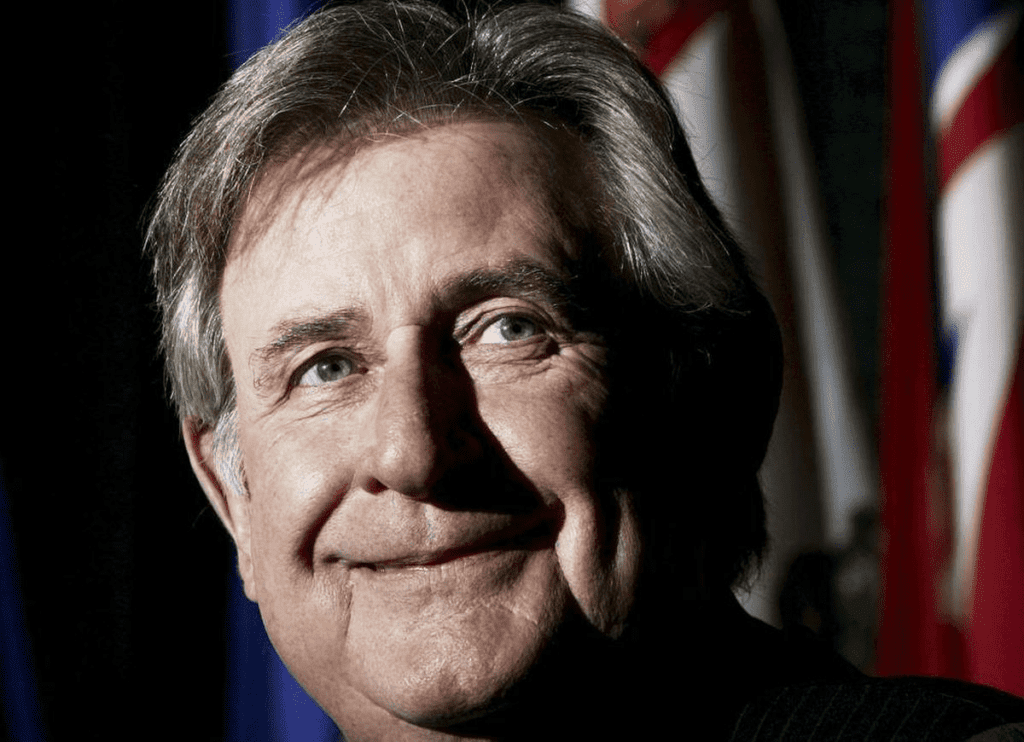
Klein’s career as a journalist allowed him to build valuable connections. In 1980, he surprised friends, family, and colleagues by announcing his candidacy for mayor. Running a modest campaign with a limited budget, a small team of volunteers, and a borrowed trailer, Klein achieved an unexpected victory on October 15, 1980.
As mayor from 1980 to 1989, Klein implemented Calgary’s light rail transit system, strengthened environmental protection for the Bow River, and successfully prepared the city for the 1988 Winter Olympics. In 1982, Klein sparked controversy by criticizing Eastern Canadians who moved to Calgary for work, calling them “bums” and urging police to remove undesirable newcomers. Despite the uproar, many Calgarians supported his tough stance, reflecting their concerns over rising crime rates and homelessness.
Premier of Alberta
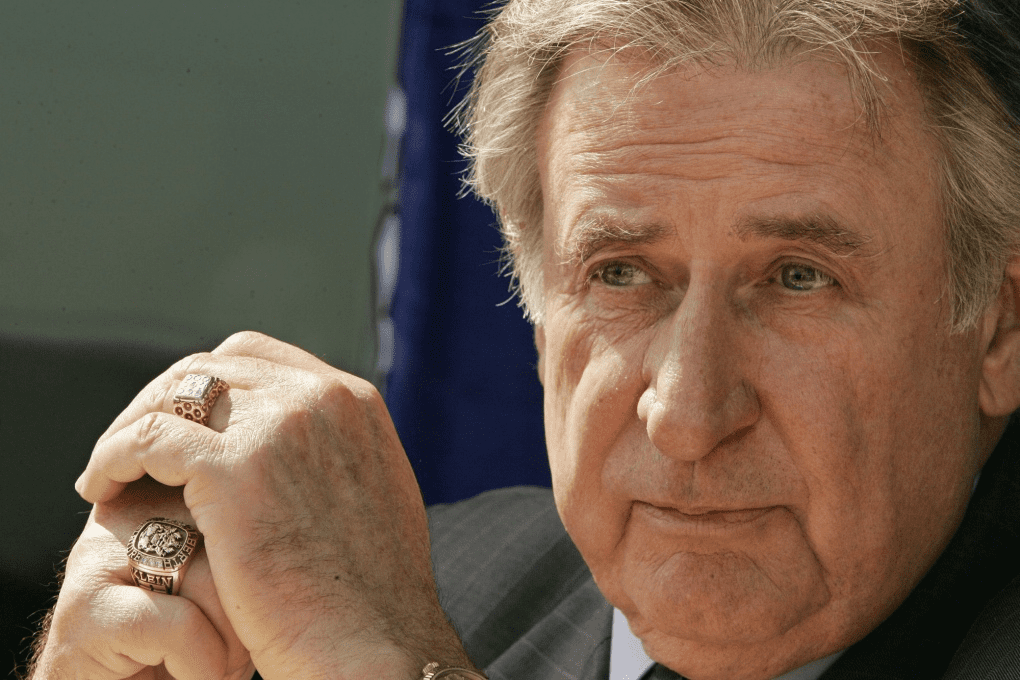
In 1989, Klein transitioned to provincial politics and quickly became Alberta’s Environment Minister. In this role, he spearheaded one of Canada’s most progressive environmental protection laws. In 1992, he succeeded Don Getty as Alberta’s premier. Sworn in on December 14, Klein served until 2006, earning a reputation as one of Canada’s most successful politicians. His leadership saw four consecutive majority governments, driven by his populist persona, strict fiscal policies, and sharp, sometimes controversial, rhetoric against opponents.
Key achievements during his tenure included eliminating Alberta’s $23 billion debt, making it the first debt-free province in Canada. Klein also advocated for transparency in government decision-making, conducted large-scale public consultations, and reduced corporate taxes. He opposed the federal Liberal Party’s support of the Kyoto Protocol on greenhouse gases, arguing it would harm Alberta’s oil industry. His tenure saw resource revenues grow more than fourfold over 14 years, while Alberta’s oil sands became a globally recognized resource.
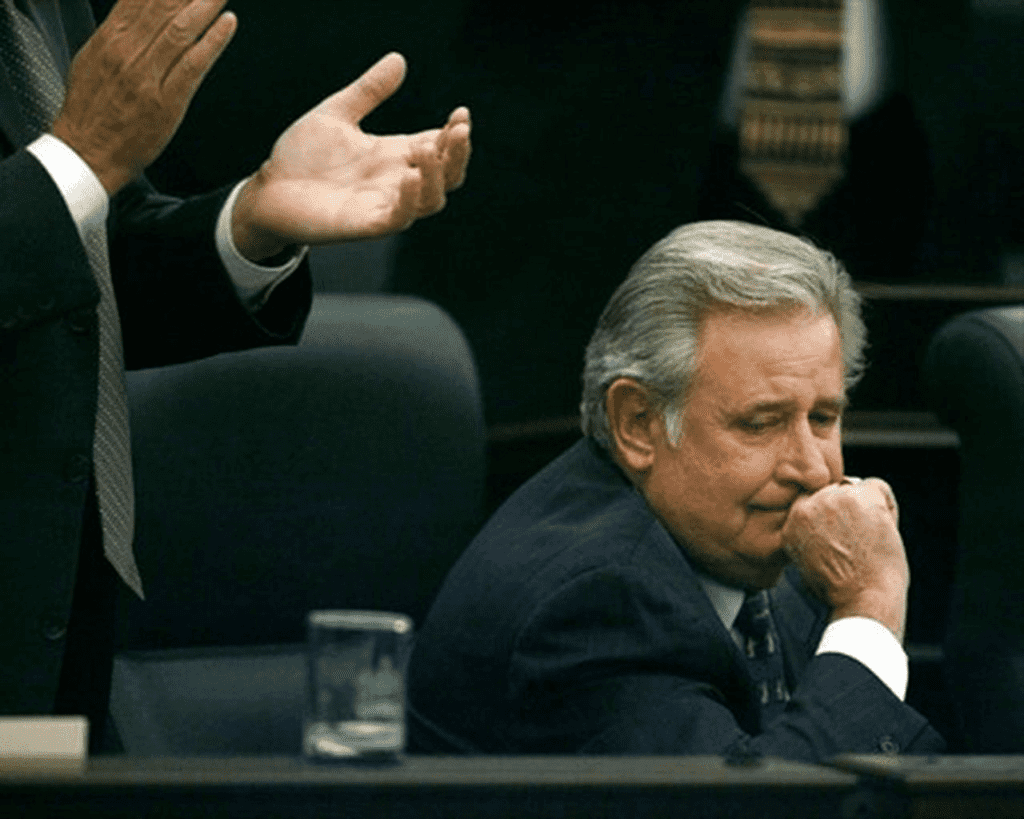
Klein also established Canada’s first Ministry of Children’s Services, proposed privatizing Alberta’s healthcare system (an idea that was ultimately not implemented), and oversaw growth in medical research and university infrastructure. Despite personal controversies, including a public struggle with alcoholism, Klein retained strong public support.
Illness and Death
After retiring, Klein worked as a business consultant, sharing his expertise in Alberta’s economic and political landscape. In 2010, he was diagnosed with chronic obstructive pulmonary disease, and later with Pick’s disease, a rare degenerative brain condition. He passed away in Calgary on March 29, 2013.
For his friends and colleagues, Ralph Klein is remembered as a caring, humorous, and dedicated individual. His unique blend of strength, determination, and charisma left an enduring legacy for countless Albertans, who view him as a strong leader and a proud representative of their province.