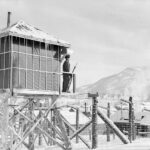

During the 1988 Winter Olympics, the Kananaskis Valley gained fame as the site for alpine skiing events. While it has since become a haven for winter sports enthusiasts, this picturesque area harbors a darker past. During World War II, it was home to Camp 130, which housed internees and prisoners of war. More on calgaryes.com
Internment in Canada
During both World Wars, the Canadian government conducted large-scale internment operations, detaining citizens or nationals of enemy states without trial for the war’s duration. Over 8,800 people were interned during World War I, and approximately 24,000 during World War II.
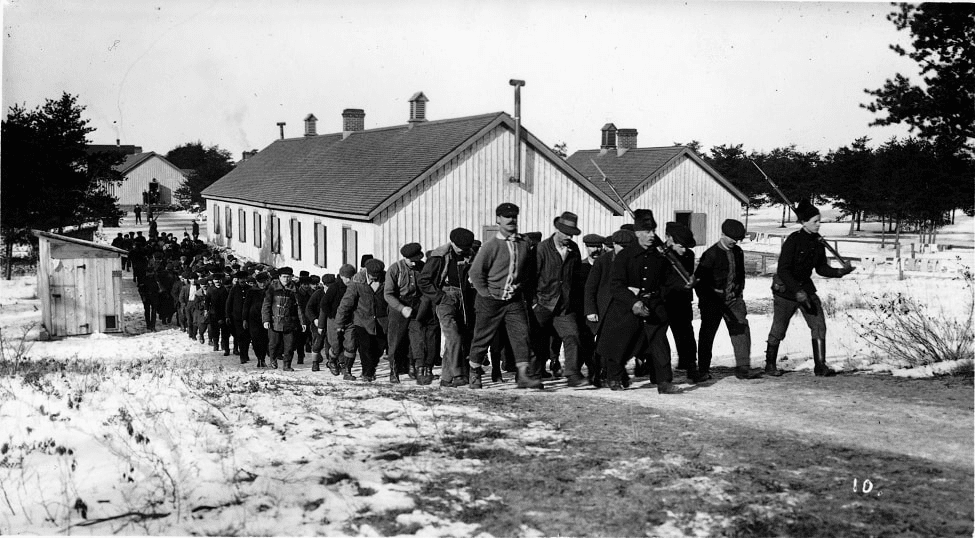
The internment process was governed by the War Measures Act, which gave the government the authority to suspend civil liberties, including the right to a fair trial.
During World War I, most internees were immigrants of Ukrainian, Austrian, Hungarian, or German descent. Despite being civilians, they were sent to camps for forced labor. Their ethnic origin, rather than any crime, was the basis for internment. In some cases, accusations of espionage or hostile activities were fabricated. Other internees included the homeless, conscientious objectors, and members of banned cultural or political organizations.
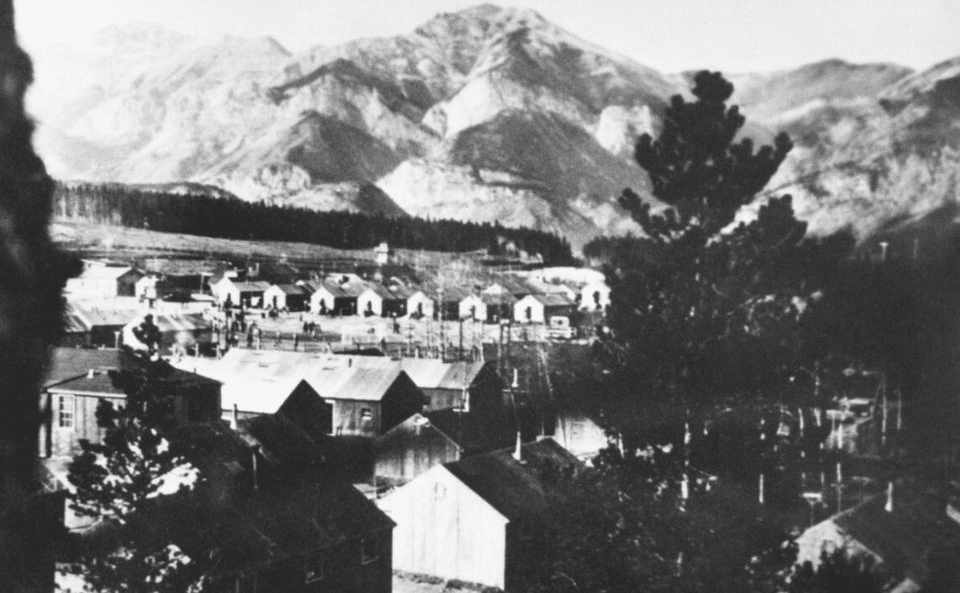
Both men and women, as well as children, were detained. Official records indicate that 8,579 men, 81 women, and 156 children were held in 24 internment camps and reception centers across Canada.
During World War II, Canada targeted primarily members of the Japanese, German, and Italian communities. The majority of internees were Japanese, followed by Germans.
After Japan’s 1941 attack on Pearl Harbor, Canadian resentment toward Japanese Canadians escalated. In March 1941, the federal government required all Japanese Canadians, citizens or not, to register with authorities, effectively labeling them as enemies of the state. Approximately 21,000 Japanese Canadians were forcibly relocated from British Columbia, with many sent to labor camps, while women, children, and the elderly were moved to settlements in other provinces.
Many German Canadian internees were members of organizations funded by Germany and were accused of espionage or subversive activities. Following Italy’s entry into the war in June 1940, about 600 Italian men suspected of fascist sympathies were interned, while 31,000 Italian Canadians were registered as “enemy aliens” and required to report to local authorities monthly.
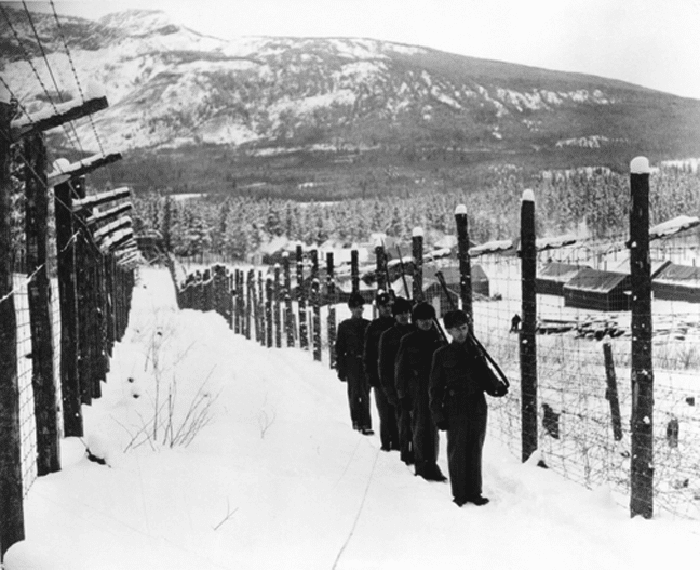
Another significant group of internees during World War II were Jewish refugees. In the summer of 1940, over 3,000 refugees were sent to Canada, including 2,300 German and Austrian Jews. These individuals were held in guarded camps in Ontario, Quebec, and New Brunswick.
Establishment of Camp 130
On September 29, 1939, Camp 130 was established in the hamlet of Seebe, 80 km from Calgary. It operated until June 1946. It was one of four major internment camps in Alberta, alongside Camp 135 in Wainwright, Camp 133 in Lethbridge, and Camp 132 in Medicine Hat.
Camp 130 featured barracks for prisoners, a jail, dining halls, recreation areas, a store, a sports field, a hospital, and a post office. Additional facilities included officers’ mess halls, headquarters, guardrooms, and a drill yard.
The camp was enclosed by seven watchtowers, each manned by armed Canadian veterans of World War I. In 1941, a high electrified wire fence was installed for added security.
Who Was Held at Camp 130?
Initially, Camp 130 housed civilian detainees such as German merchant sailors and conscientious objectors. In 1940, 44 Italian Canadians were also interned here. Internees participated in activities such as clearing the valley that formed the Barrier Lake basin.
When Britain found it increasingly difficult to hold all German prisoners of war, many were transferred to Canada, considered a safer option in the event of an invasion. Between 1940 and 1946, 37,934 German POWs were held in 25 camps across Canada, including all four major Alberta camps.
In 1941, most civilian internees at Camp 130 were transferred to facilities in Eastern Canada. The camp was then expanded and fortified to accommodate POWs. From late 1942 to 1946, the camp primarily housed German officers, many of whom were members of the Afrika Korps, captured by Britain’s 8th Army in North Africa.
Prisoners were subjected to daily roll calls, weekly inspections of their quarters, and close monitoring of activities, including household tasks and walks under conditional release. All POWs participated in forced labor, such as constructing the Barrier Lake reservoir.
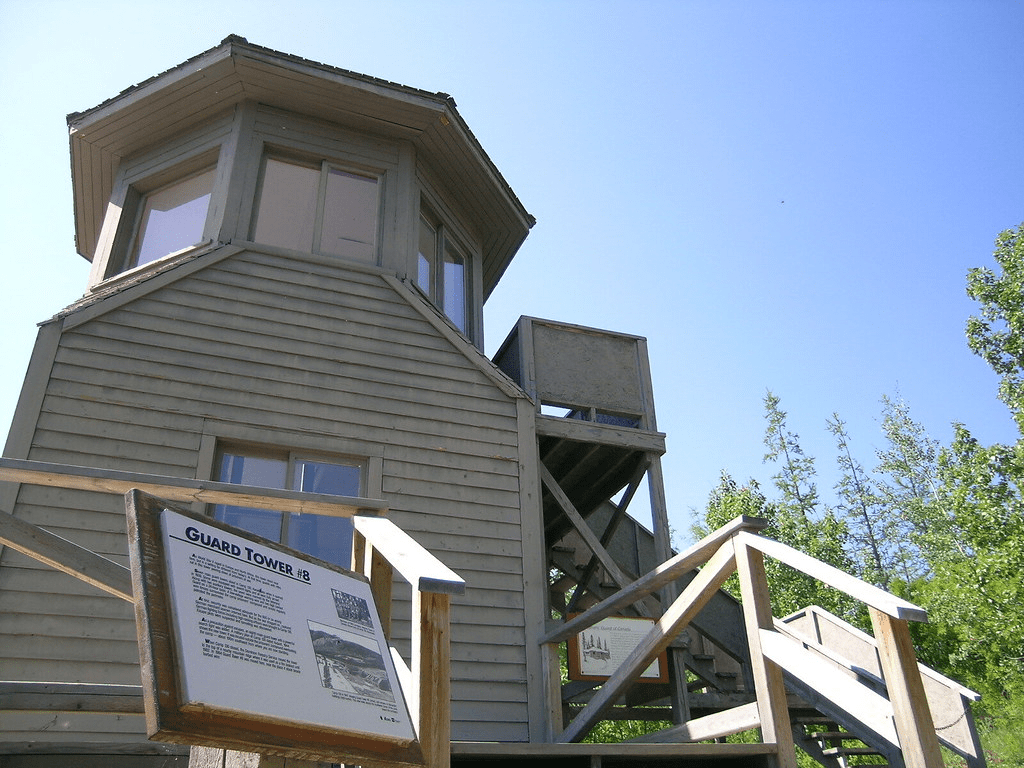
Initially, 600 merchant sailors at the camp slept in military tents. Permanent barracks were later built to accommodate incoming officers. Concerns about escape attempts arose, especially after the discovery of a tunnel. To address these fears, an eighth watchtower equipped with a powerful spotlight was constructed.
Despite these precautions, no successful escapes occurred at Camp 130, which at its peak held nearly 1,000 German POWs. This may be attributed to relatively humane treatment compared to European camps. The camp also offered recreational facilities, including a billiards room, tennis courts, and skiing in winter.
Legacy of Camp 130
After Camp 130 was decommissioned, Watchtower 8 was relocated to McConnell Ridge and repurposed as a fire lookout. In 1984, the tower was returned to its original area and now stands near the University of Calgary’s environmental field station.
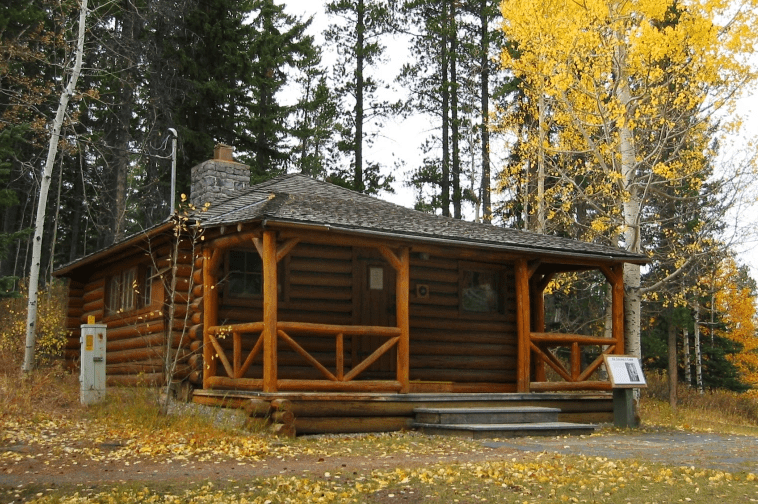
A forest research station built at the site in 1936 to employ single unemployed men during the Great Depression was repurposed as the camp commander’s quarters during the war. Colonel Hugh de Norban Watson, the camp commander, resided there from 1939 to 1945. In 1982, the building was designated a Provincial Historic Resource. The one-story structure, built from round pine logs joined with double notches, features a wide veranda, a pyramidal roof, and a striking interior with an open-beam ceiling and a fireplace.
Camp 130 is not the only internment camp in the Rockies, nor the largest in Alberta, but it is one of the few with surviving structures from that era.