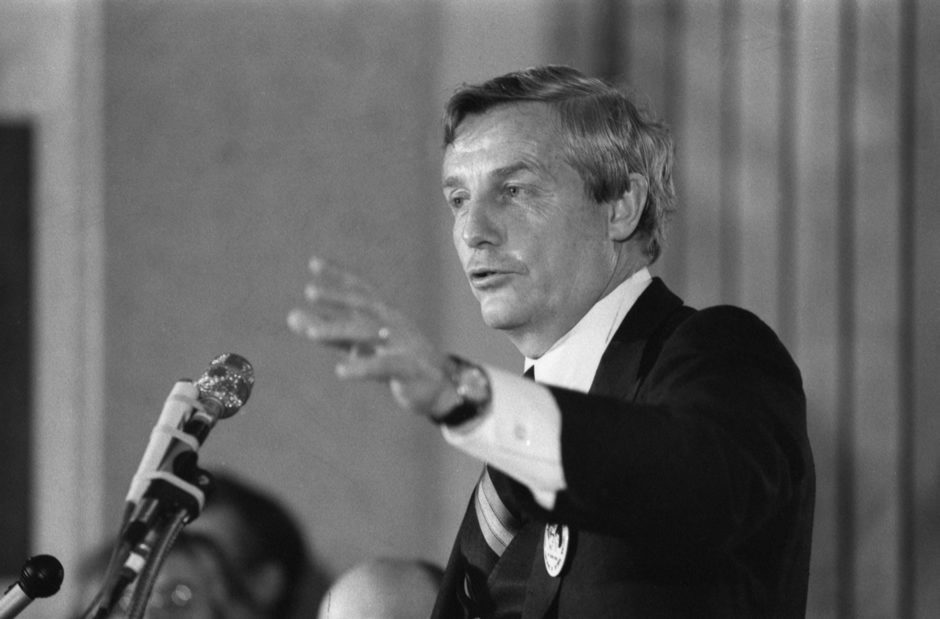

Peter Lougheed, a businessman, lawyer, and the 10th Premier of Alberta (1971–1985), was a transformative leader who left a lasting legacy in Canadian politics. With strong support from Albertans, Lougheed became one of Canada’s most influential leaders and a prominent provincial politician of his era. Known as a champion of Western Canada’s interests, he also upheld national unity. Read more about the life and career of this local authority on CalgaryYes.
A Notable Family Legacy
Edgar Peter Lougheed was born on July 26, 1928, in Calgary to lawyer Edgar D. Lougheed and Edna A. Bold. His grandfather, James O. Lougheed, was a senator and the first Conservative from Alberta to serve in the federal cabinet. He was also a pioneering Calgary lawyer and the only Albertan to be knighted, playing a key role in Alberta’s establishment as a province. Lougheed’s great-grandfather, Richard Hardisty, was notable as Canada’s first Métis senator.
Education
Peter attended Strathcona School for Boys and public schools in Calgary, including Rideau Park and Earl Grey schools. He completed his secondary education at Central Collegiate Institute, where he founded the student union and became its first president.
In 1951, he earned a Bachelor of Arts and, in 1952, a Bachelor of Laws from the University of Alberta. During his studies, Lougheed displayed exceptional organizational skills, working as the sports editor for the student newspaper The Gateway and playing for the university’s football team. In 1954, he completed a Master of Business Administration at Harvard University.
Early Career and Entry Into Politics
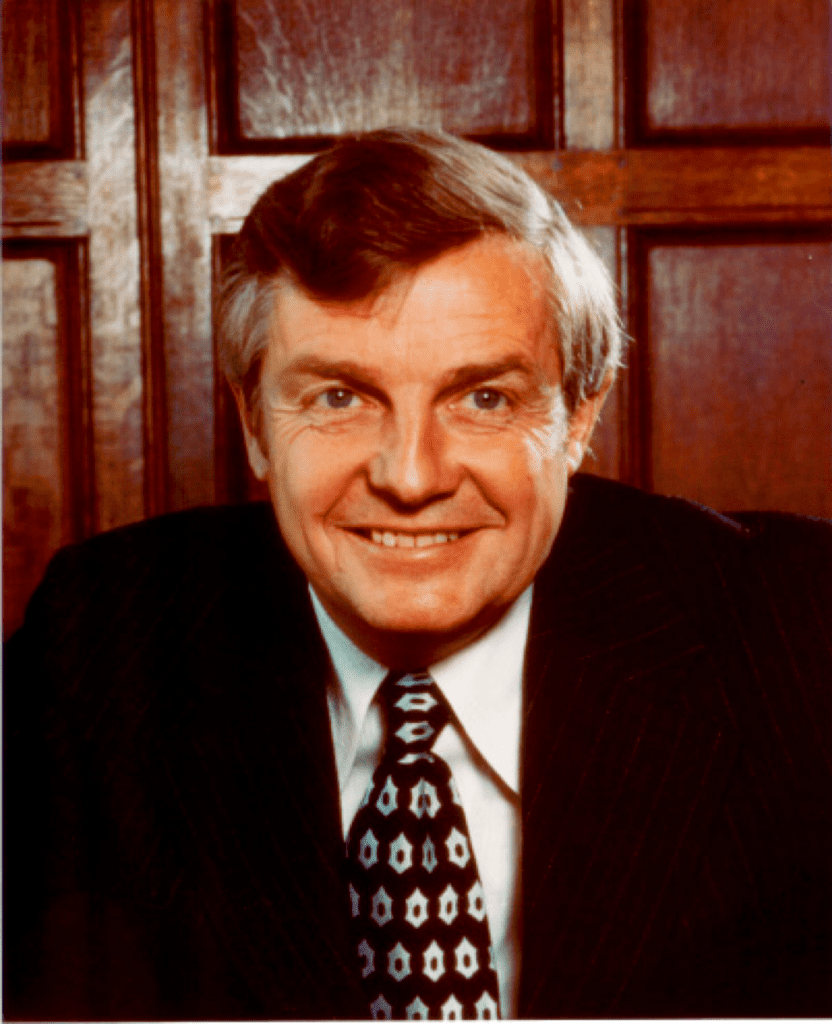
In 1955, Lougheed began practicing law in Calgary and joined Mannix Corporation, one of Canada’s largest construction firms, in 1956. He quickly advanced to vice president and later director roles.
At age 36, Lougheed became leader of the then-marginal Progressive Conservative Party of Alberta in 1965. With no elected members in the provincial legislature at the time, the party’s prospects seemed bleak. However, combining conservative financial principles with liberal social policies, Lougheed rebuilt the party into a formidable political force, reflecting an urban outlook.
In 1967, Lougheed and five other Conservative candidates were elected to the legislature, forming the official opposition. A year later, Social Credit Premier Ernest C. Manning retired and was succeeded by Harry Strom.
Premiership
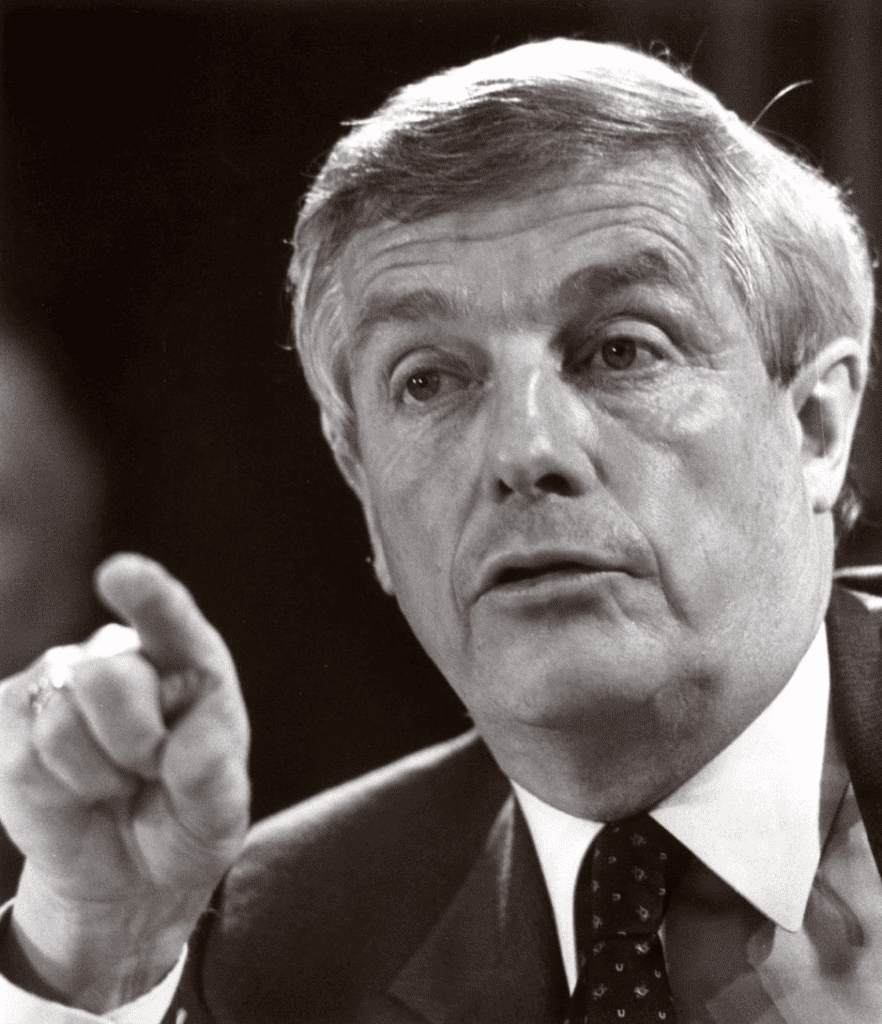
In the 1971 election, the Progressive Conservatives won 49 of 75 seats, marking Alberta’s first Progressive Conservative government. On September 10, 1971, Peter Lougheed was sworn in as Premier of Alberta. His party’s success grew in subsequent elections in 1975, 1979, and 1982, with Lougheed serving as Premier for 14 years.
One of his earliest achievements was increasing royalties from oil companies operating in Alberta, showcasing his skill as a negotiator and his ability to handle media relations effectively.
Under Lougheed’s leadership, the government prioritized increasing provincial income through natural resources. He promoted industrial growth, decentralized urban areas, improved healthcare systems, and established new recreational facilities. His tenure saw the construction of numerous hospitals, extensive medical research, and the development of urban and provincial parks. In 1980, his government created a medical research fund.
A landmark initiative was the creation of the Alberta Heritage Savings Trust Fund in 1976, allocating a portion of oil and gas revenues for long-term investments. Lougheed also championed industrial development by encouraging the exploitation of Alberta’s vast reserves of heavy oil and oil sands through direct investment.
He diversified agriculture and actively supported small and medium-sized businesses. In 1972, the Alberta Opportunity Company was established to finance high-risk small businesses and startups, which traditional lenders often rejected. By 2001, the company had funded over 7,000 ventures.
In the 1970s, Lougheed advocated for Alberta’s greater role in national decision-making. He opposed federal encroachments on provincial jurisdiction while maintaining a commitment to a united Canada. Disputes with Ottawa over oil revenues culminated in the 1981 Energy Pricing Agreement and other advantageous deals for the province.
Post-Political Career
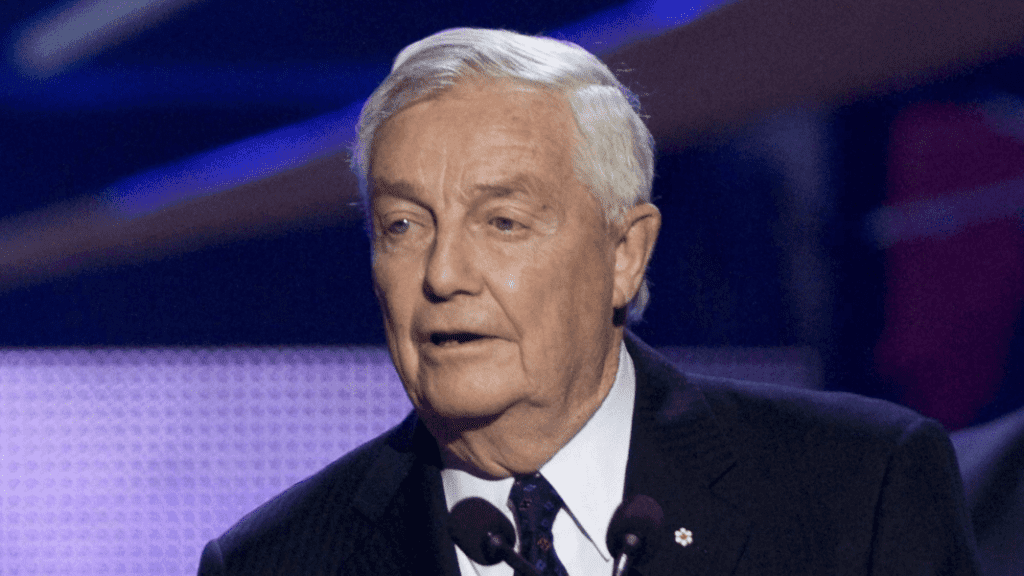
After stepping down in 1985, Peter returned to the private sector. In 1987, he and fellow Canadian lawyer and politician Donald S. Macdonald co-chaired the Canadian Alliance for Trade and Job Opportunities, promoting free trade with the United States. From 1991 to 1996, Lougheed served as co-chair of the Canada-Japan Forum.
In his later years, he was a partner at Calgary law firm Bennett Jones LLP and served on numerous corporate boards. Lougheed believed Canada was more than a strong economy, expressing concern that free trade with the U.S. might lead to the imposition of American values on Canada.
In 2012, the magazine Policy Options surveyed 30 historians, political scientists, economists, journalists, and political advisors across Canada. Peter Lougheed was ranked the best provincial premier in Canada over the previous 40 years.
Honours and Legacy
Peter Lougheed received numerous accolades throughout his life. He was appointed Queen’s Counsel in 1971, a member of the Queen’s Privy Council for Canada in 1982, and a Companion of the Order of Canada in 1987. Additionally, he was an honorary chief of the Cree and Kainai tribes.
Lougheed earned eight honorary doctorates and served as the honorary chancellor of Queen’s University, one of Canada’s most prestigious institutions.
In 2001, he was inducted into the Canadian Medical Hall of Fame, recognizing his commitment to healthcare research. The Peter Lougheed-CIHR Award was established in 2005 to support young researchers early in their careers. The electronics building at Banff Centre for Arts and Creativity was named in honor of Peter and his wife, Jeanne.
Since 2000, Lougheed joined 13 members of the Trilateral Commission, an international non-governmental organization comprising representatives from North America, Western Europe, and Asia. As a Calgary native, Peter Lougheed became a Canadian icon celebrated for his competence, insight, integrity, and unwavering dedication to the well-being of Albertans and all Canadians.