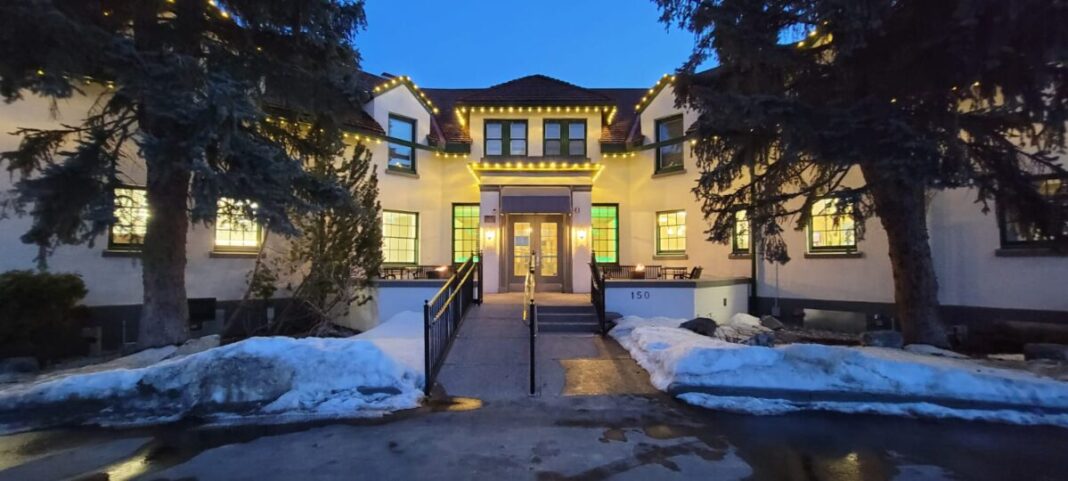

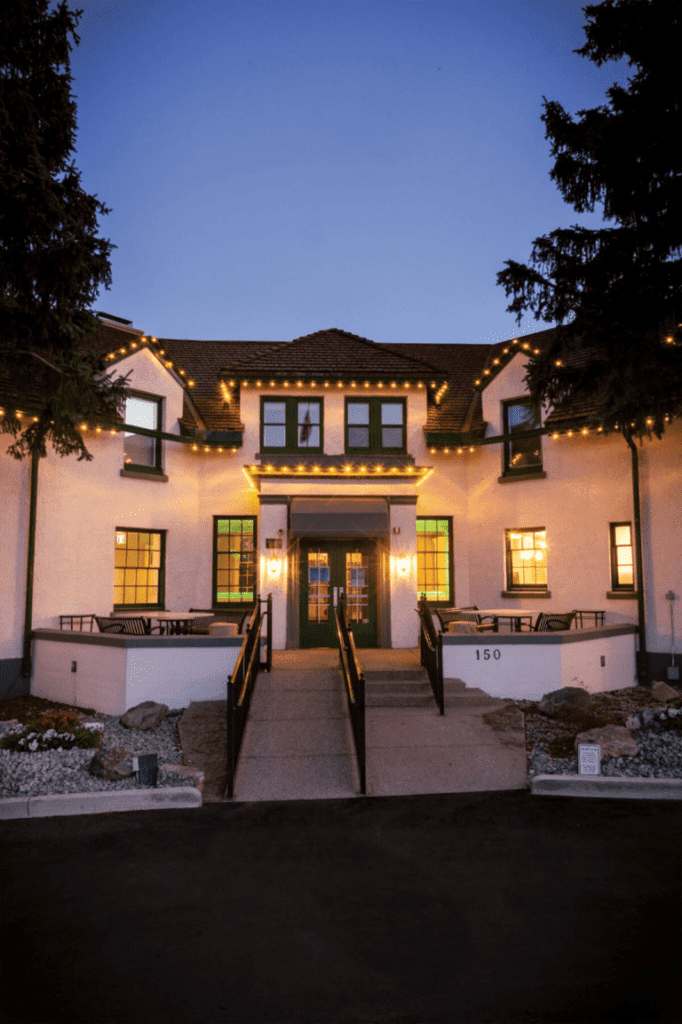
The boutique hotel The Inn is steeped in powerful military history. Established in the former officers’ mess of the Currie Barracks, the building played a crucial role in establishing a permanent military presence in Alberta. For many years, it served as a hub for interactions between military personnel and civilians and was home to Canadian military formations. Today, it offers everything from incredible local food and beverages to hosting weddings, corporate events, and family gatherings. Learn more at calgaryes.
The Opening of the Barracks
In 1875, at the confluence of the Bow and Elbow Rivers, the North-West Mounted Police established the Fort Brisebois outpost (later renamed Fort Calgary). Since then, the city has maintained a permanent military presence.
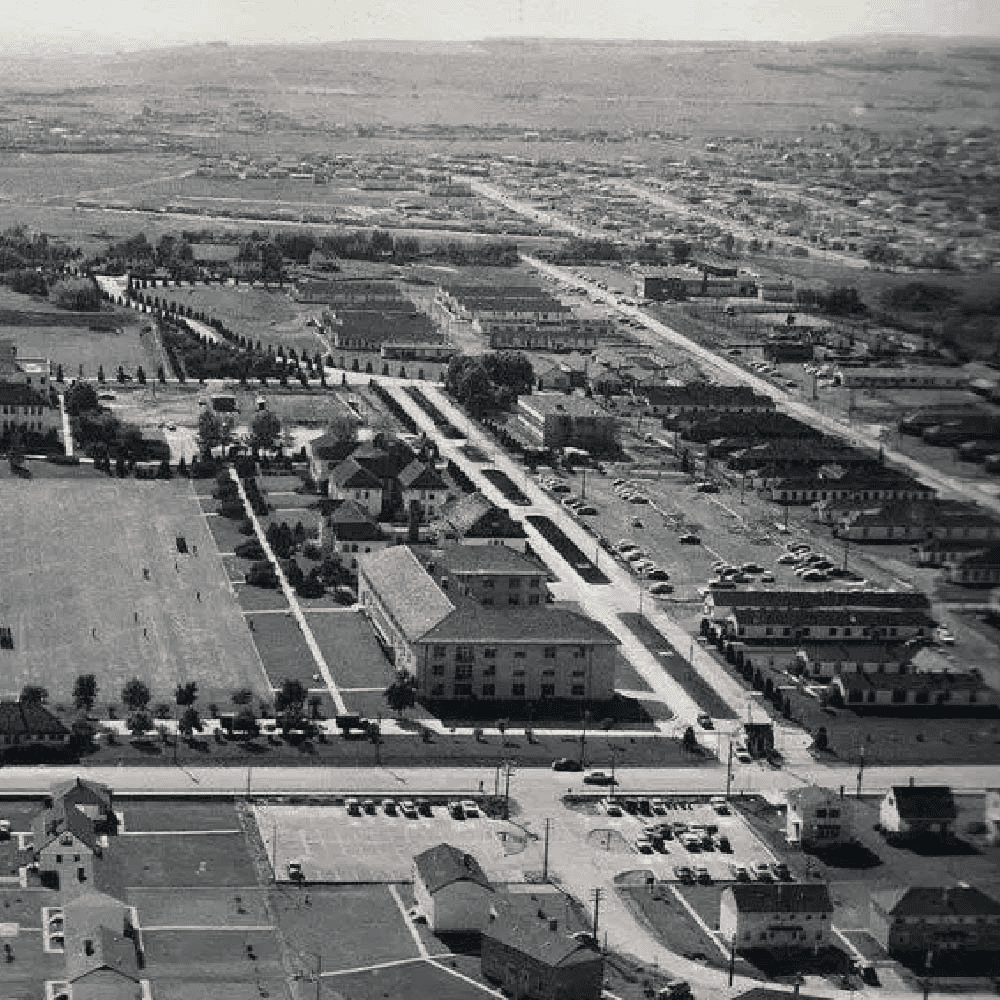
For decades, Canada’s southern Alberta forces operated primarily out of the Mewata Armory and were housed in stables rented from the city. By the early 1930s, it became clear that a larger facility was needed to accommodate the regiment’s headquarters. In 1933, the Canadian Militia opened Currie Barracks in southwest Calgary—a complex of 10 military buildings and two associated landscaped areas on a 47.3-hectare site.
Naming and Significance
The complex was named after prominent General Arthur William Currie, celebrated for his swift rise from a militia gunner to the first Canadian commander of the Canadian Corps. He was regarded as one of the most capable and respected commanders of World War I.
Support During the Great Depression
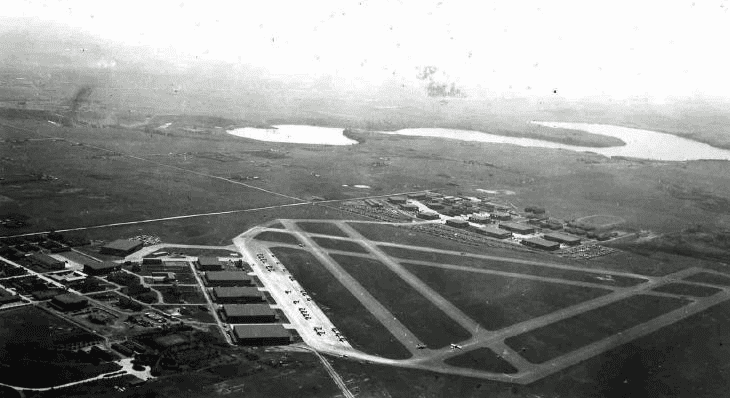
The barracks were instrumental during the 1930s Great Depression. Under the Public Works Construction Act, they provided much-needed employment. In 1934, the government allocated $1.2 million for the barracks and airfield project, followed by an additional $400,000 the next year. This funding not only developed the site but also provided jobs to hundreds of unemployed individuals.
At the onset of World War II in September 1939, Currie Barracks, like many other Calgary military facilities, were mobilized for war. In February 1941, the A-16 Canadian Infantry Training Centre was established at Currie Barracks, serving as the base for southern Alberta units, including the Royal Canadian Infantry Corps, the Royal Canadian Army Service Corps, and the Royal Canadian Air Force.
The site also featured a runway for two British Commonwealth stations, closed in 1964 and later dismantled.
Postwar Period
After World War II, Currie Barracks became home to military formations like Lord Strathcona’s Horse and the 1st Battalion, Princess Patricia’s Canadian Light Infantry. During the Korean War (1950–1953), the barracks became a major military hub due to their convenient access to the Canadian Pacific Railway’s transcontinental mainline. Over the decades, they housed units like The Queen’s Own Rifles of Canada, Fort Garry Horse, and the 1st Signal Squadron.
In 1968, Currie Barracks merged with Sarcee Barracks to form CFB Calgary, renamed Harvey Barracks in 1981 in honor of Canadian soldier Frederick Harvey. Subsequently, leased land was returned to the Tsuut’ina Nation, and the joint base was decommissioned.
Decommissioning and Reuse
By the mid-1990s, military reorganizations led to the closure or merging of many bases, and Currie Barracks were decommissioned in 1997. Personnel were relocated to CFB Edmonton.
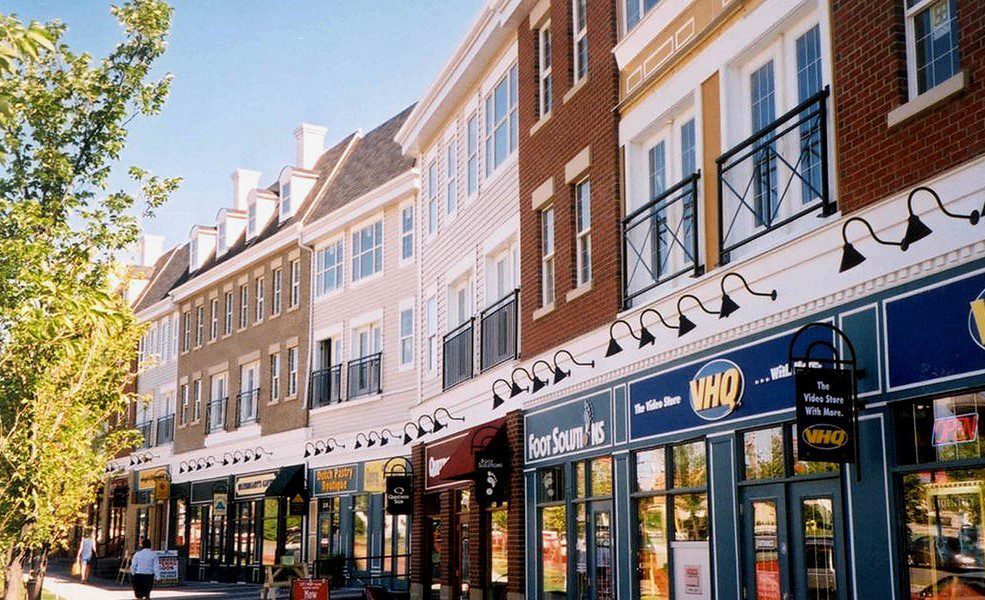
In 1998, Canada Lands Company acquired the site for redevelopment. Over the next two decades, the area surrounding the barracks transformed into a residential and commercial neighborhood called Garrison Woods. The original barracks buildings, however, remained intact, gradually converted into facilities like The Inn, The Event Hall, and Flanders Fine Foods.
The Creation of The Inn
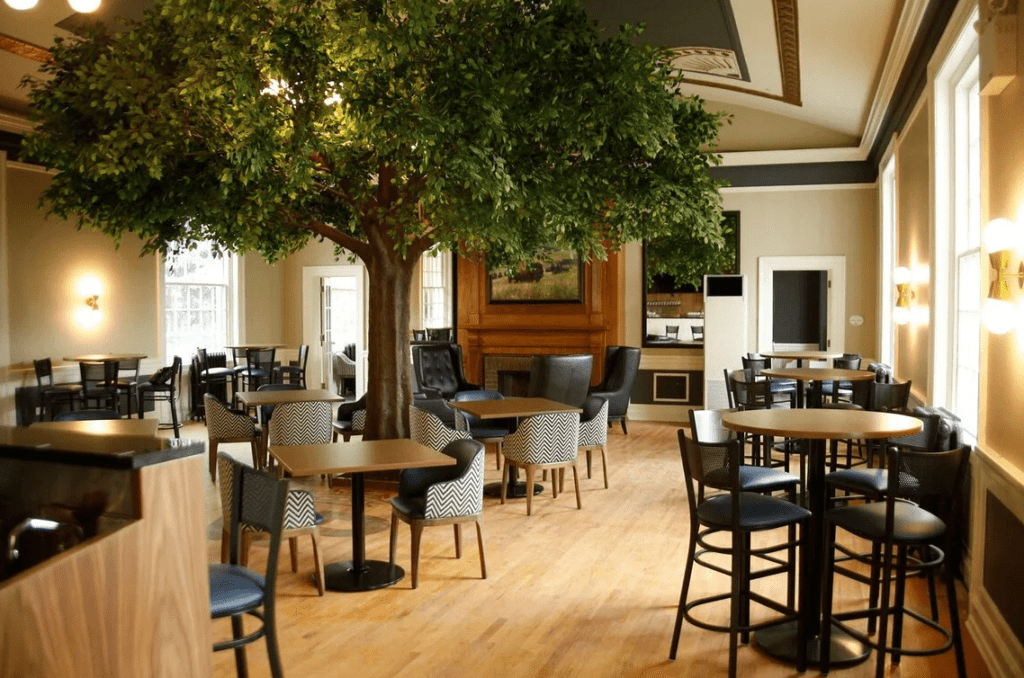
The The Inn on Officers’ Garden blends historical significance with modern design, making it a vibrant venue for daily gatherings, weddings, corporate events, and family reunions. Visitors experience a sense of refined nostalgia, with 1930s-style décor and newly renovated interiors.
Since the original 1930s concrete-steel structure was built as a bunker, it required a complete overhaul of its HVAC, boiler, and electrical systems.
The hotel features 13 suites (12 standard and one royal suite) and several unique spaces:
- Event Hall: This banquet hall boasts historic high ceilings, an original 1930s fireplace, and stunning globe light fixtures, accommodating 90 dinner guests or 120 for cocktail receptions.
- Main Dining Room: Featuring an original ceiling and parquet flooring, this space houses the main restaurant and bar, seating 70 for dinner and up to 90 for cocktail parties.
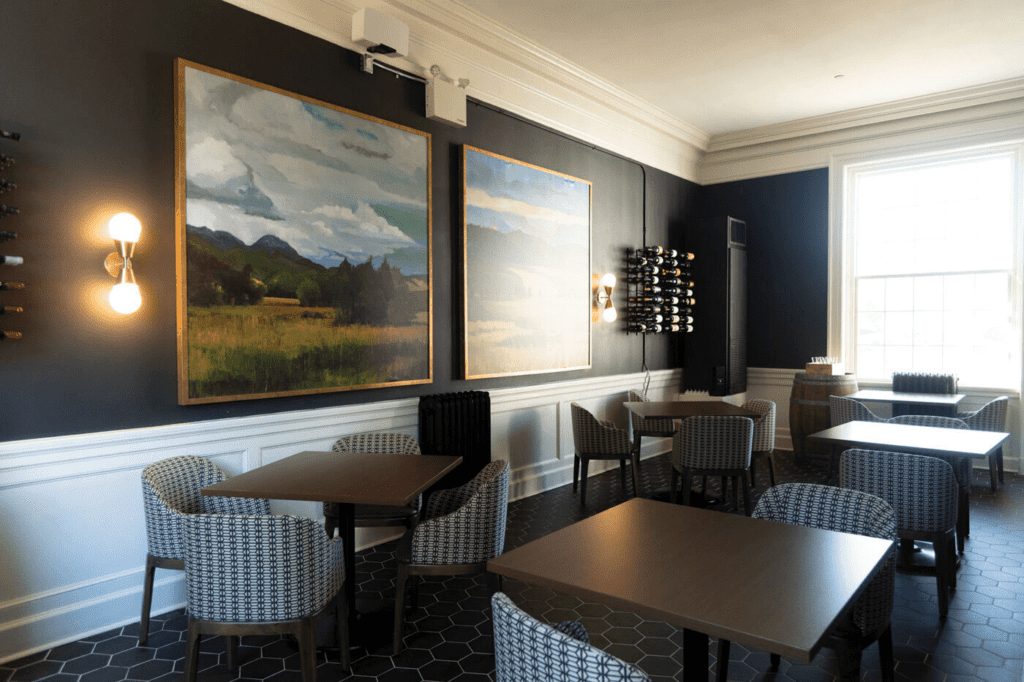
- Vino Chat: A cozy, quiet spot for intimate dinners, seating up to 22 guests.
- Mark McCallow Conservatory: A spacious glass atrium perfect for brunches, featuring a vintage ice cream kiosk and access to the Officers’ Garden. The adjacent patio is enclosed on three sides to block wind, with heaters for comfort after sunset.
- Pub and Lounge: The original Snake Pit bar, once frequented by officers, has been transformed into a modern pub with four large-screen TVs, a billiards table, and a cozy gaming nook. It accommodates 30 for dinner and 50 for cocktail receptions.
- Private Meeting Room: A small, intimate space with vintage elements for business meetings or private dinners of up to six people.
Outside, the complex features beautifully landscaped open spaces with tree-lined pathways. High-tech cleaning methods ensure guest and staff safety, including ultraviolet disinfection and hydrostatic sprayers for fast, efficient sanitization.
The Inn serves as a testament to Calgary’s rich military history, offering both a glimpse into the past and a luxurious present-day experience.