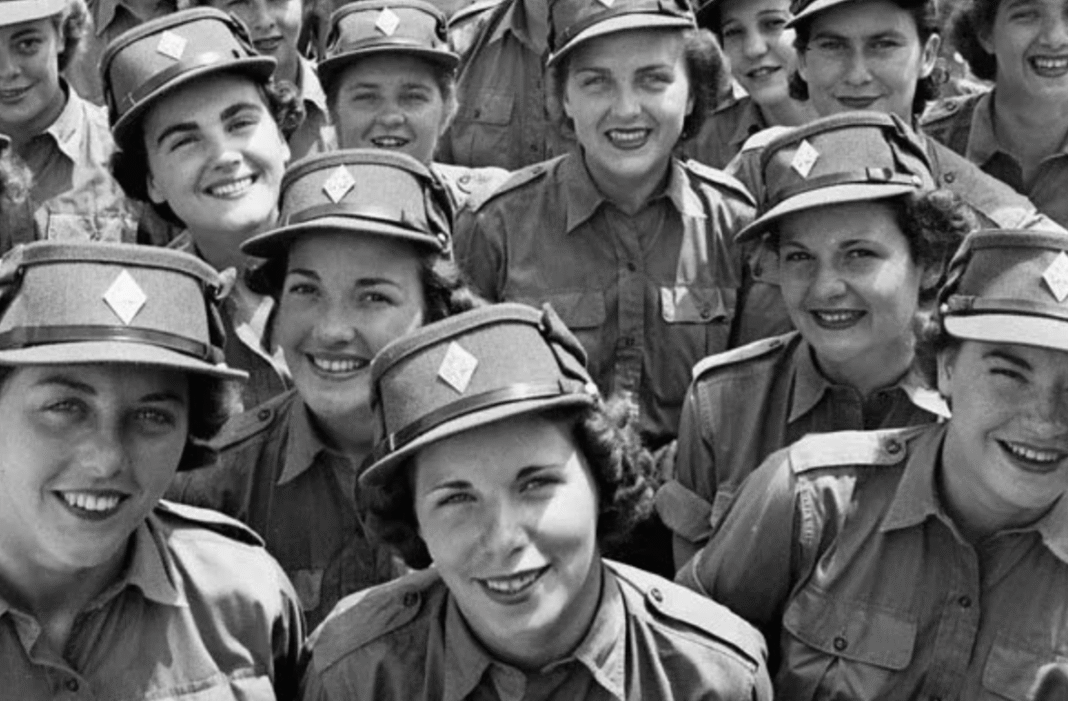

When men left their homes for the front lines, their responsibilities didn’t simply disappear. Goods still had to be delivered, factories kept running, records maintained, patients treated, transit operated, and families supported. In Calgary, as in cities across Canada, women increasingly stepped into jobs previously considered the domain of men. The war reshaped not only the labor market, but also broader perceptions of what a woman could achieve outside the home.
Calgary had its own distinct wartime identity. Already a vital rail, trade, and administrative hub for Alberta, the city took on an even greater role with the launch of the British Commonwealth Air Training Plan, becoming a major training ground for military pilots. This effort created employment opportunities not just for service personnel, but also for civilians—especially women eager to contribute to the war effort. Discover more about the vital roles women played in wartime Calgary at calgaryes.com.
Everyday Labor, Strategic Impact: How Women Sustained the Wartime Economy
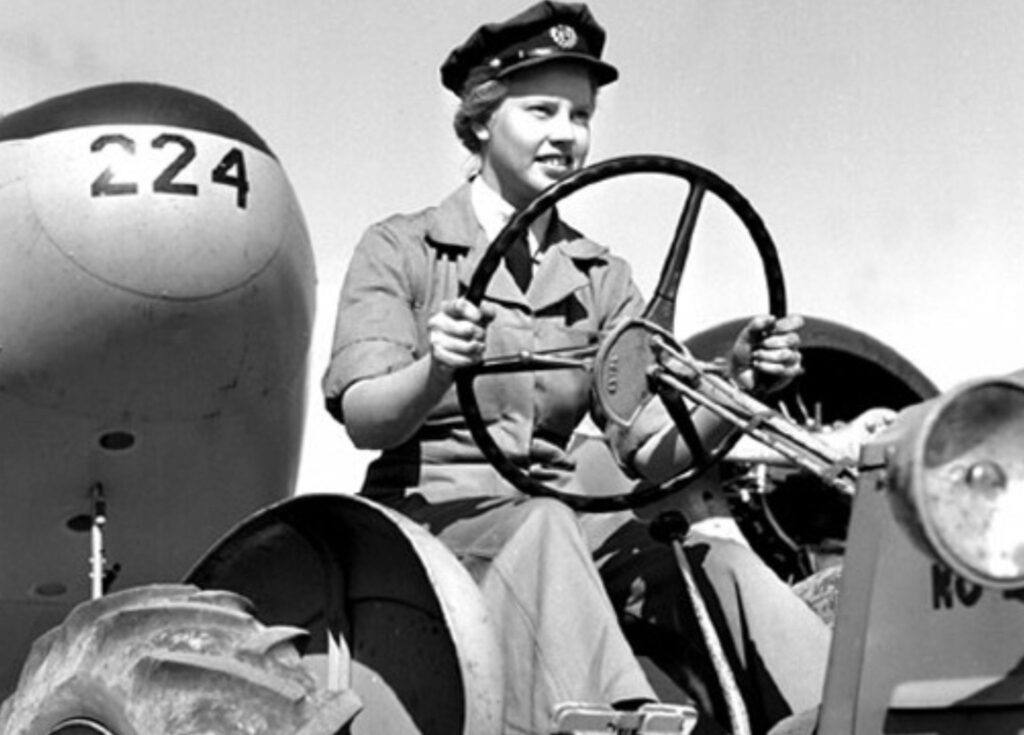
Not every woman who supported Canada’s war effort worked in a munitions factory. The wartime economy relied heavily on railways, retail, food processing, garment manufacturing, logistics, and office administration. Calgary was closely tied to these sectors long before 1939. Consequently, local women contributed immensely simply by keeping everyday businesses, public services, and supply chains running without interruption.
Retail clerks managed the steady distribution of goods, office staff handled vital records and accounting, and workers in light industry and food manufacturing produced essentials for daily survival. The railway network was equally critical, moving troops, raw materials, and essential freight across the country. Roles that once seemed far removed from the battlefield became indispensable links in the national supply chain.
It is important to distinguish direct arms manufacturing from the labor that sustained the home front. Calgary’s facilities were not solely dedicated to assembling aircraft or munitions. Yet without food, clothing, transportation, maintenance, and administrative support, the military machine could never have functioned.
Expanding Horizons: How the War Reshaped Women’s Career Opportunities
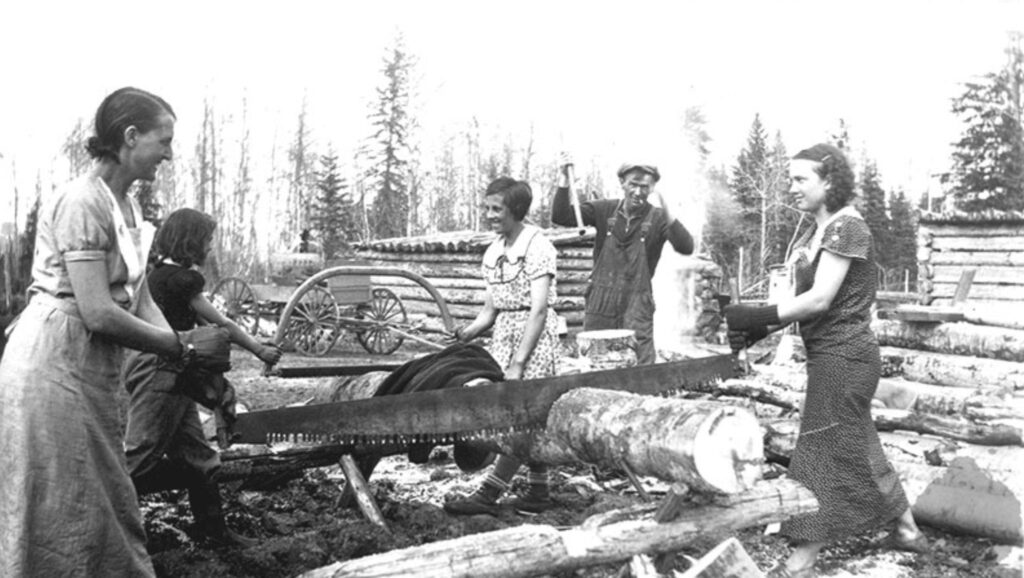
Before the war, career options for women were severely constrained by rigid social norms. Clerical work, retail sales, nursing, and domestic labor were widely seen as acceptable female occupations. Mechanics, technical repairs, and driving transit were left almost exclusively to men. Wartime necessities quickly forced employers to reconsider these boundaries.
Across Canada, women took on manufacturing jobs, operated heavy machinery, handled technical maintenance, and mastered trades that had previously excluded them. In Calgary, this shift was driven not only by civilian businesses, but also by the needs of flight schools and military installations. The city needed a diverse workforce to train pilots and keep air stations fully operational.
This transformation did not mean prejudices disappeared overnight. Women continually had to prove their technical competence, contend with workplace discrimination, and often accept lower wages than men for the exact same labor. The war opened doors, but it certainly did not eliminate every barrier.
There was also a stark difference between securing wartime employment and building a lasting career. Many women were hired strictly as temporary replacements while men served overseas. Once the fighting ceased, employers widely expected veterans to reclaim their jobs, leaving women to step aside. For many, wartime work did not guarantee long-term professional advancement.
In Uniform: Aviation, Medicine, and Military Support
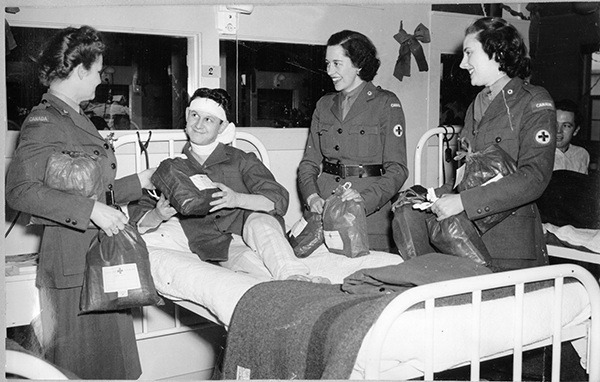
A distinctive chapter in this history belongs to the women who enlisted in the Canadian armed forces. Initially, military authorities hesitated to open the ranks to women. That changed in 1941 when the Royal Canadian Air Force established a women’s auxiliary branch, officially designated as the RCAF Women’s Division in February 1942. Their primary mission was to take over ground, clerical, and technical duties, freeing up more men for combat operations.
Calgary was right at the center of this movement. At RCAF Station Lincoln Park—home to No. 3 Service Flying Training School—women served as ambulance drivers, hospital assistants, and equipment supply clerks. Archival photographs from the Department of National Defence dating to 1942 document these servicewomen on duty at the local air station.
Their duties demanded technical competence and serious discipline. Drivers had to maintain and repair vehicles, hospital aides assisted medical officers and cared for patients, and supply clerks managed critical gear and provisions. This was far from mere ceremonial service—it was demanding daily work essential to running military bases and training programs.
Margaret Gilkes provides a compelling example. A hairdresser before enlisting in the Canadian Women’s Army Corps in November 1941, she was stationed at Calgary’s Currie Barracks. By late 1944, Gilkes was deployed overseas as a staff driver at Canadian Military Headquarters in London. After returning home, she joined the Calgary Police Service in 1946, becoming one of the city’s first female police officers. Her journey illustrates how military service could fundamentally transform a woman’s post-war career trajectory.
Military nurses played an equally vital role. Serving independently of the RCAF Women’s Division, Nursing Sisters cared for sick and wounded personnel across military medical facilities. Other servicewomen worked in wireless communications, photography, parachute packing, instrument repair, and recordkeeping. Together, their stories reflect the remarkable range of technical and operational roles Canadian women mastered during the war.
A Lasting Legacy: How the War Transformed Life in Calgary
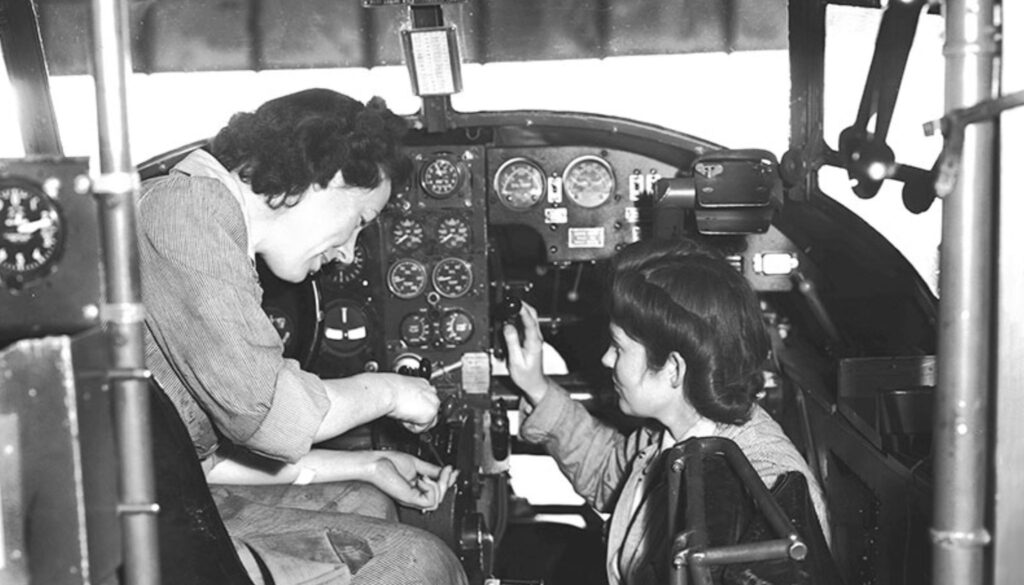
The Second World War did not bring overnight gender equality to Calgary. Many women lost their jobs when veterans returned, women’s service corps were gradually demobilized, and traditional domestic expectations quickly resurfaced. Even so, the wartime experience left an enduring mark. Women broke into unfamiliar fields, gained valuable technical skills, and proved they could run factories, logistics networks, and military facilities just as effectively as men.
For Calgary’s history, this was far more than a brief story of filling in for absent men. It is the story of how a community navigated national mobilization, how the everyday lives of its residents shifted, and how ordinary labor took on extraordinary strategic significance. Women may not have fought in the front-line trenches alongside men, but their dedication on the home front and across military bases was indispensable to Canada’s victory.